


On 6–7 May 2026, the second Peer Review meeting and Study Visit of the IN MOBILITY project took place in Alba Iulia, Romania, focusing on the topic of Transport Affordability. Kurzeme Planning Region participated in the event as one of the project partners, together with other public authorities, stakeholders and mobility experts from several European regions. The meeting provided an opportunity to exchange experiences and discuss solutions for more affordable and inclusive mobility services.
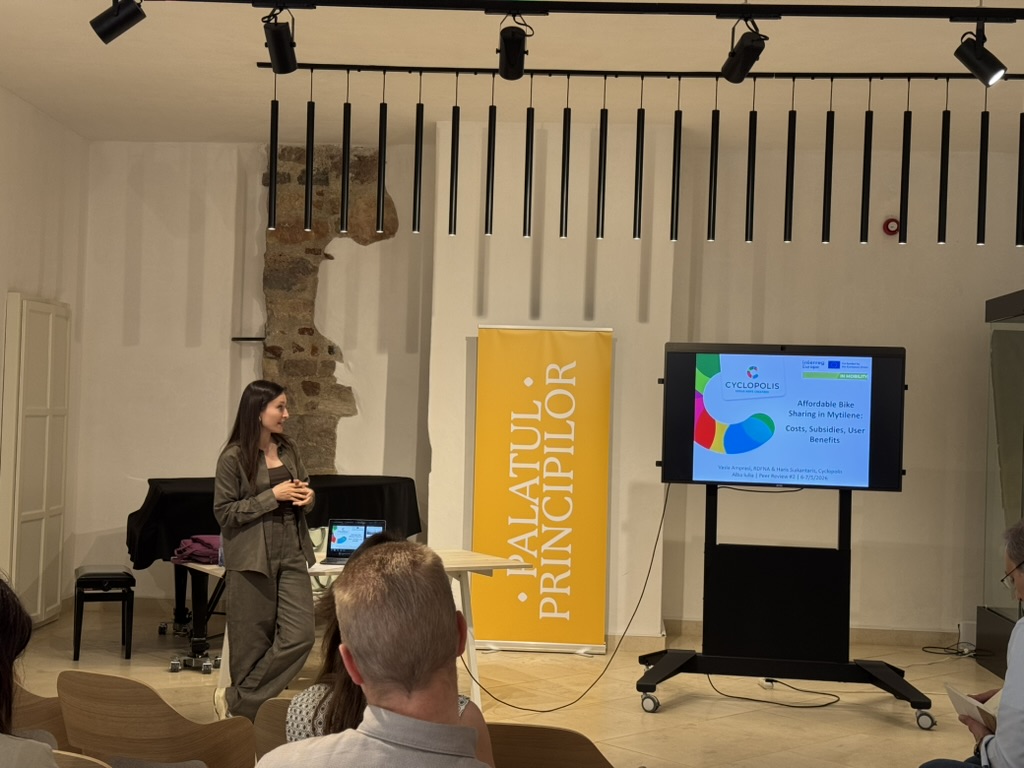
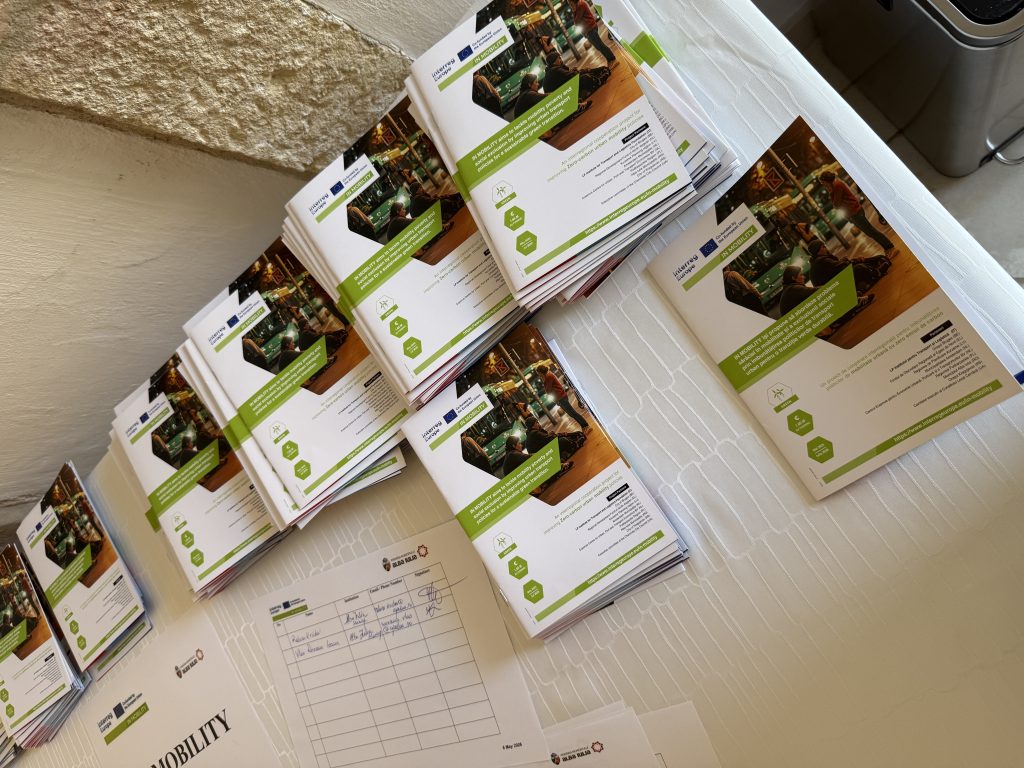
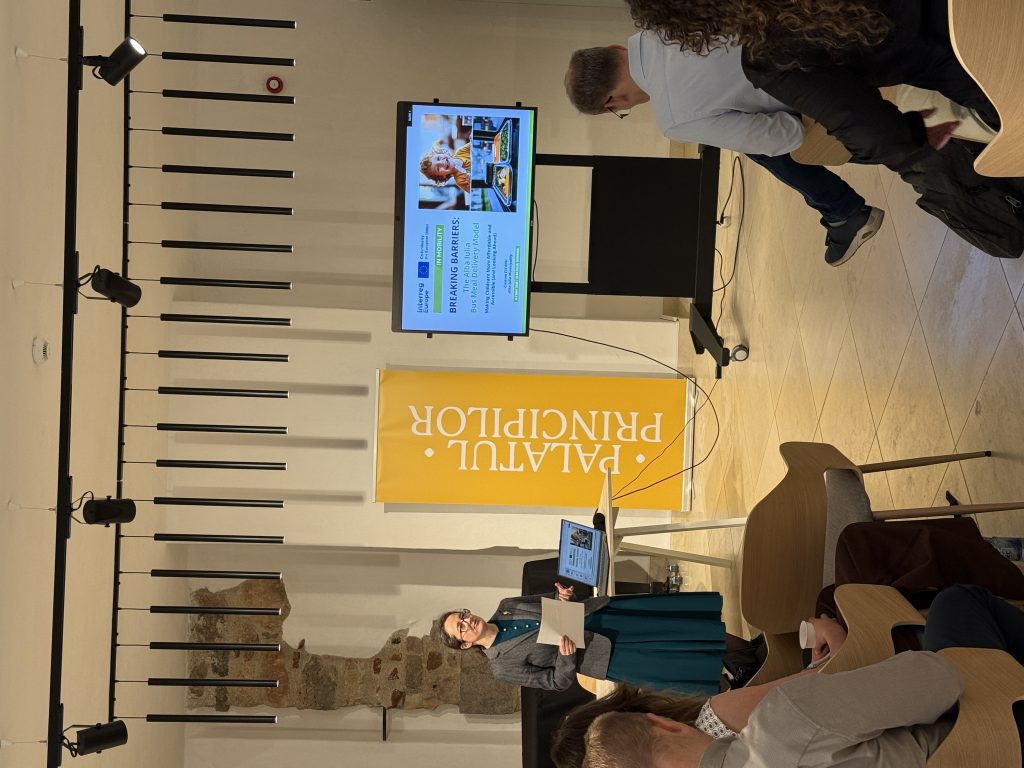
Day 1: Peer Review #2 – exploring transport affordability through local and European perspectives
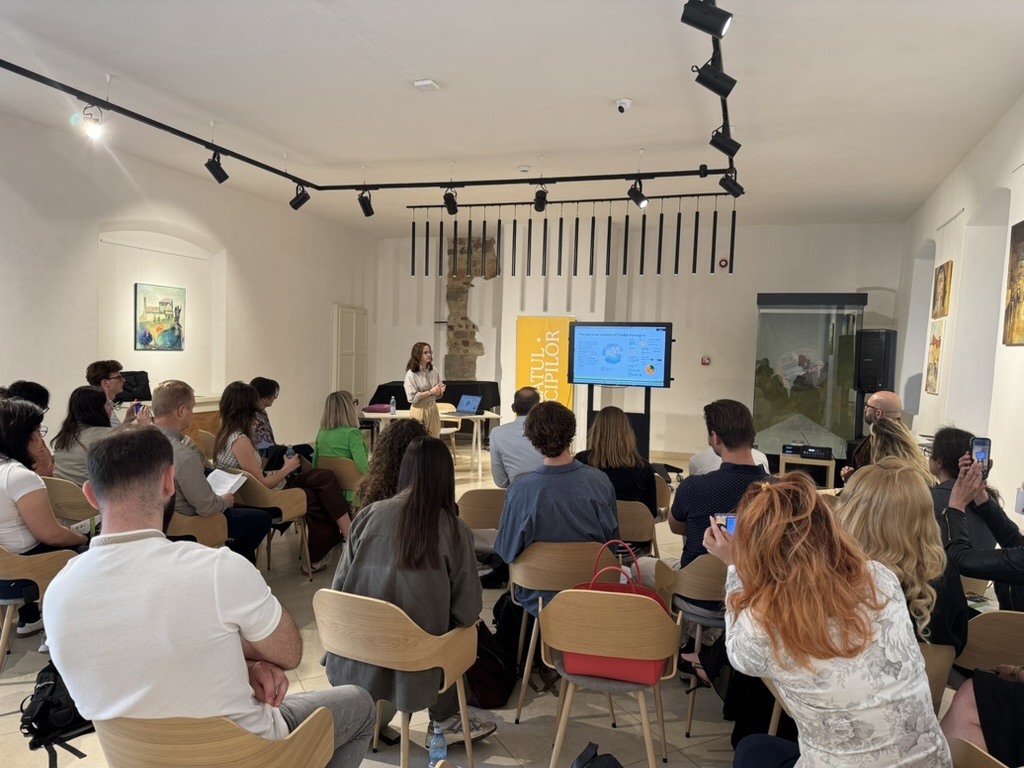
Hosted at the Palace of the Princes in Alba Iulia, the Peer Review #2 opened with welcoming remarks from local and project representatives, including Gabriel Pleșa, Mayor of Alba Iulia, Anna Giarandoni (ITL) and Giuliano Mingardo (Erasmus UPT). Speakers emphasized the importance of peer learning and interregional cooperation in developing more accessible and affordable mobility solutions across Europe.
The event focused on two main thematic areas:
- identifying and supporting vulnerable mobility groups;
- addressing the pricing and affordability of transport services.
The morning sessions highlighted local initiatives from Alba Iulia focused on accessibility and affordable mobility, including transport support for vulnerable students, free public transport schemes and mobility-related public services developed by the municipality.
These examples highlighted the role of local mobility policies in supporting accessibility, social inclusion and public service delivery.
The programme also included examples and perspectives from other European regions. Nicoletta Martelli (ITL) presented approaches and policy experiences related to regional mobility planning, while Emanuele Moretti from the Emilia-Romagna Region shared examples of free public transport schemes for students and their impact on accessibility and inclusion.
Each presentation was followed by interactive discussions moderated by Erasmus UPT, allowing participants to reflect on common challenges related to transport affordability, accessibility and vulnerable mobility groups across different regional contexts.
Affordability and inclusive mobility
The afternoon sessions expanded the discussion towards broader questions related to transport affordability and the role of inclusive mobility policies across different European contexts.
Participants explored a variety of approaches and local experiences through presentations such as “Enhancing Public Transport Affordability: Social Tariffs and Fare Reform in Kragujevac” by Pavle Pitka (University of Novi Sad), “The Price of Mobility: Exploring Transport Affordability in Amsterdam’s Transport System” by Ibtissam Badri and Matthijs Tromp (City of Amsterdam), and “Affordable bike sharing in Mytilene (Greece)” presented by Vasia Amprasi.
The exchanges that followed highlighted several recurring themes, including the importance of targeted subsidies, integrated fare systems, affordable active mobility solutions and transport policies designed around people’s everyday needs and accessibility requirements.
Participants also reflected on the growing challenges faced by local authorities in maintaining affordable and inclusive mobility services while responding to increasing operational and infrastructure costs.
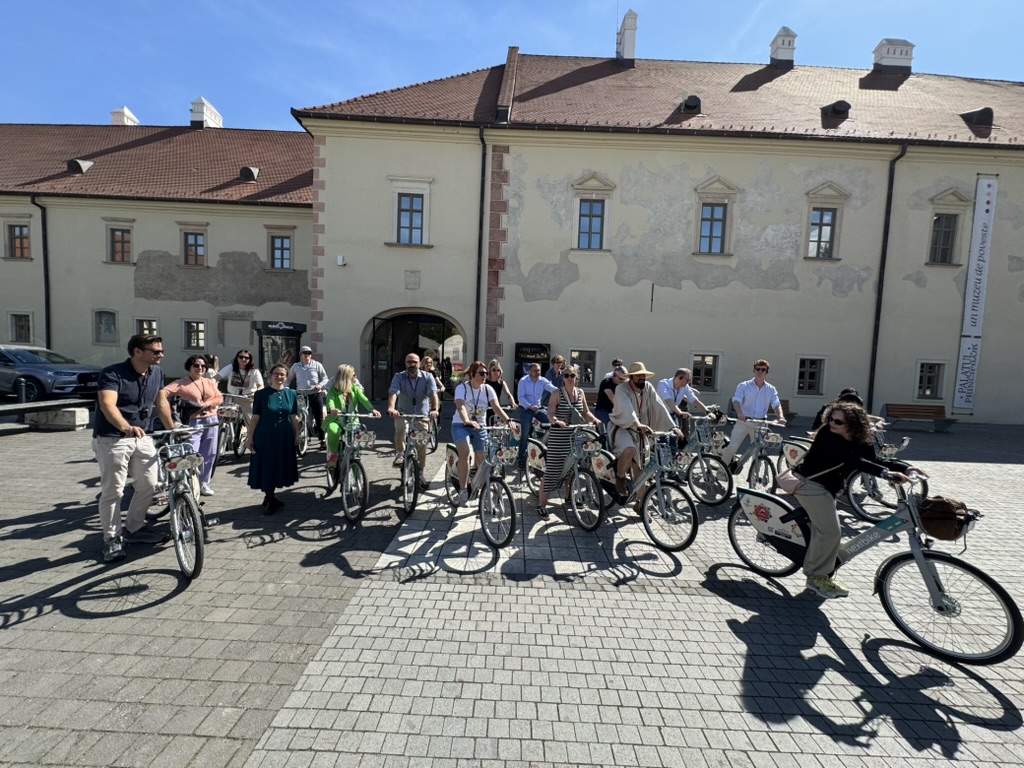
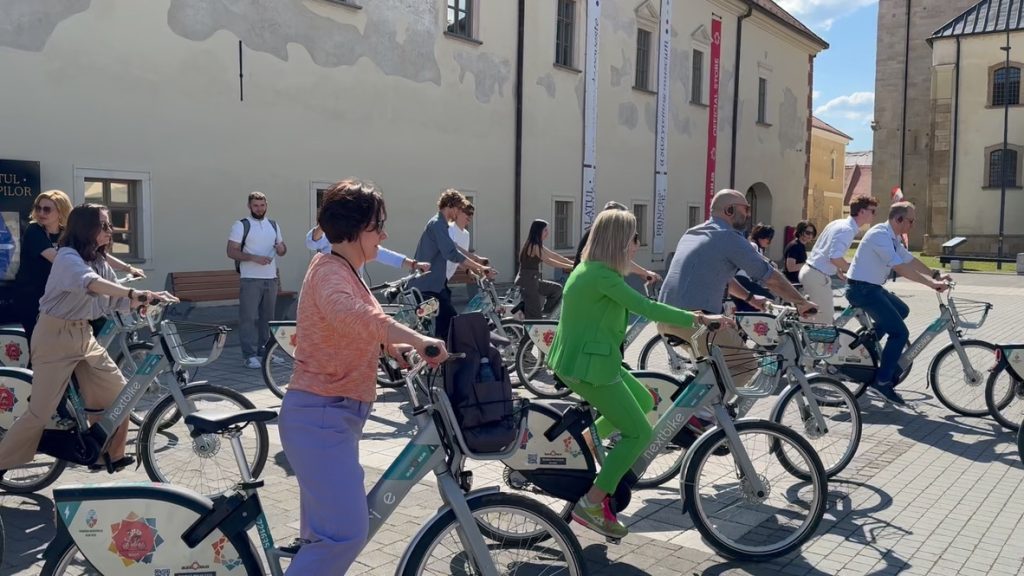
The first day concluded with a bike tour through Alba Iulia, giving participants the opportunity to experience the city’s mobility infrastructure and sustainable urban mobility initiatives firsthand.
Day 2: Continuing the exchange of knowledge across Europe
The Alba Iulia Peer Review #2 and Study Visit continued the IN MOBILITY peer learning process focused on transport affordability and inclusive mobility.
A key moment of the study visit was the visit to Alba Iulia’s Traffic Management Centre, where participants explored how the municipality monitors mobility flows and collects data used to support the development of future urban mobility policies adapted to community needs.
The programme also included a visit to the “Gheorghe Șincai” Conference Centre, where participants learned about activities and programmes developed for vulnerable groups, as well as a guided tour with Alba Iulia’s electric bus system, offering a closer look at the city’s efforts to promote sustainable and accessible mobility solutions.
The event concluded with reflections on how the experiences shared in Alba Iulia can support more accessible and affordable mobility solutions across Europe.
We invite you to watch a short video recap of the IN MOBILITY study visit and peer review meeting in Alba Iulia, Romania, focused on transport affordability and inclusive mobility.
Learn more: www.interregeurope.eu/in-mobility
Project IIN MOBILITY is implemented within the frame of INTERREG EUROPE Programme, co-funded by the European Regional Development Fund (ERDF)