

On 31 October 2026, Šlītere Lighthouse in Slītere National Park hosted “GEODAY 2026 – In the Footsteps of Glaciers: From the Ice Age to the Present Day”, attracting more than 110 visitors. Organised for the second consecutive year by Kurzeme Planning Region in cooperation with the Latvian Institute of Aquatic Ecology and the Nature Conservation Agency, the event invited families with children and nature enthusiasts of all ages to discover Latvia’s geological heritage through engaging, hands-on activities. This year’s programme focused on glaciers – how they form, how they are studied and the traces they have left on the landscape of Kurzeme – as well as geologists’ experiences from scientific expeditions to different parts of the world.
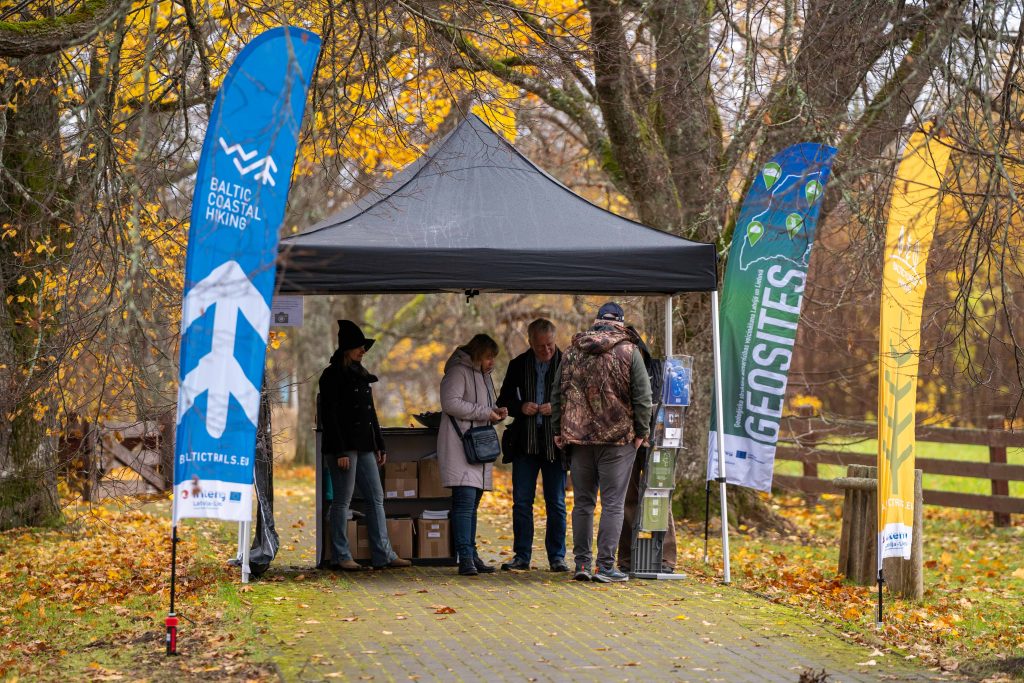
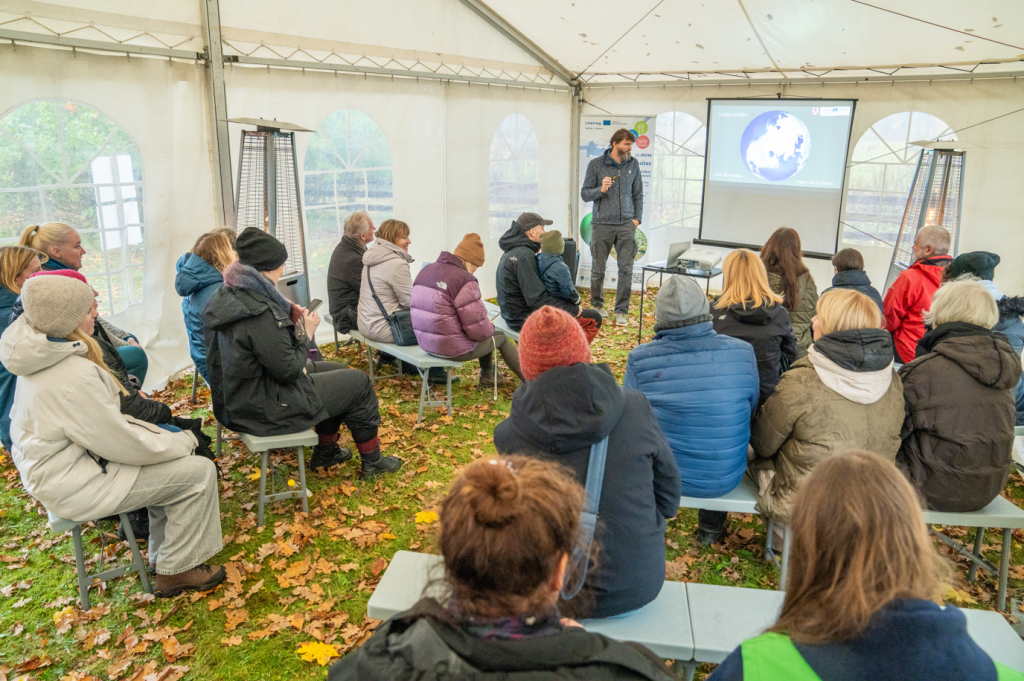
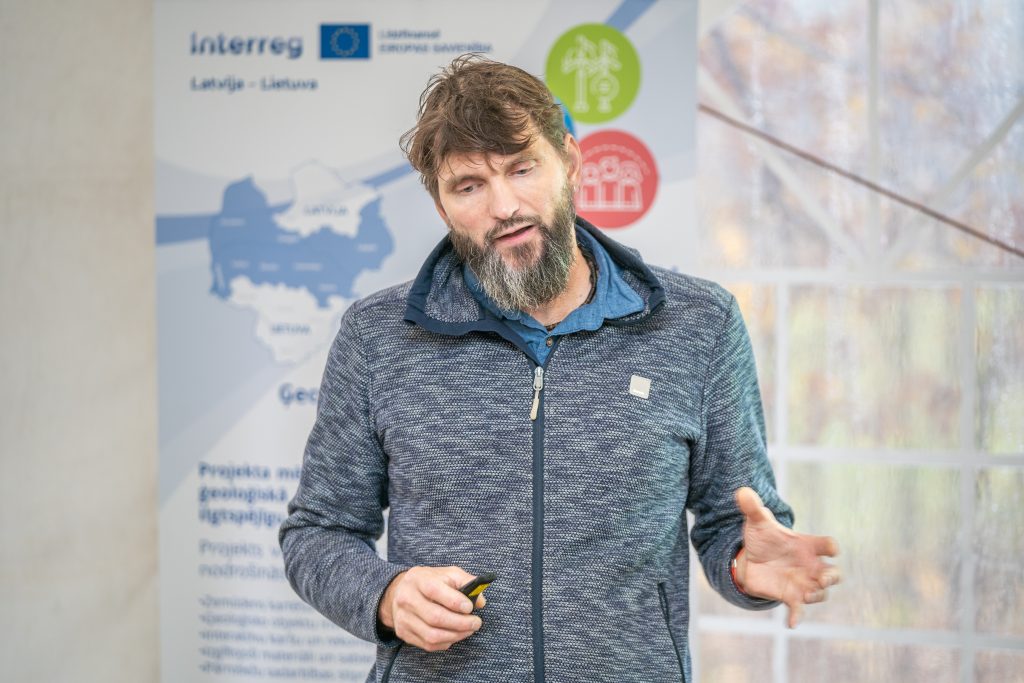
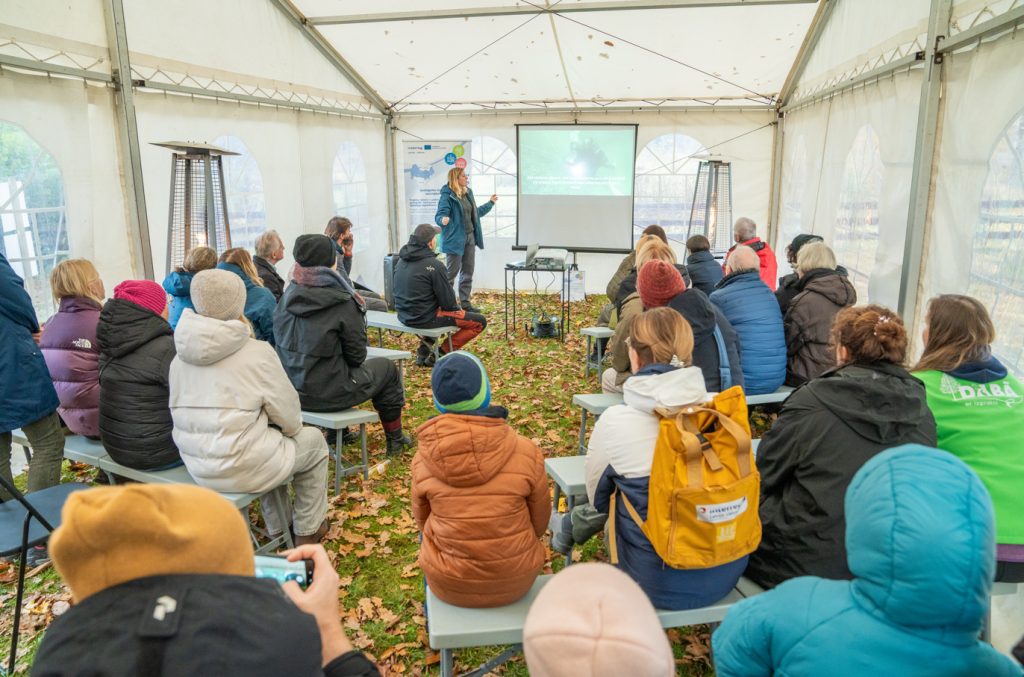
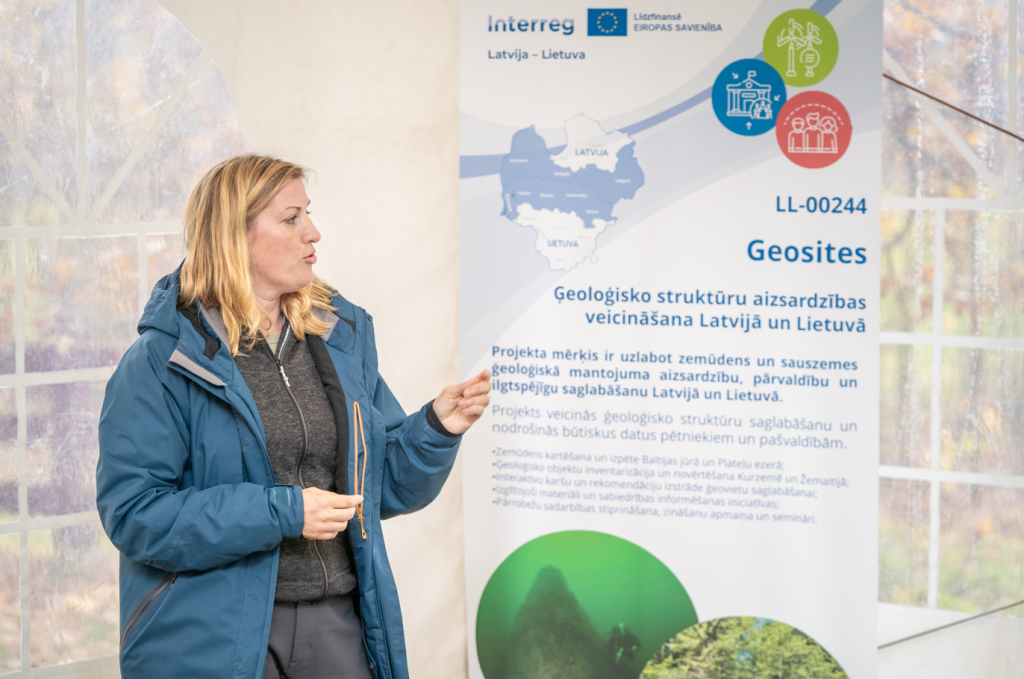
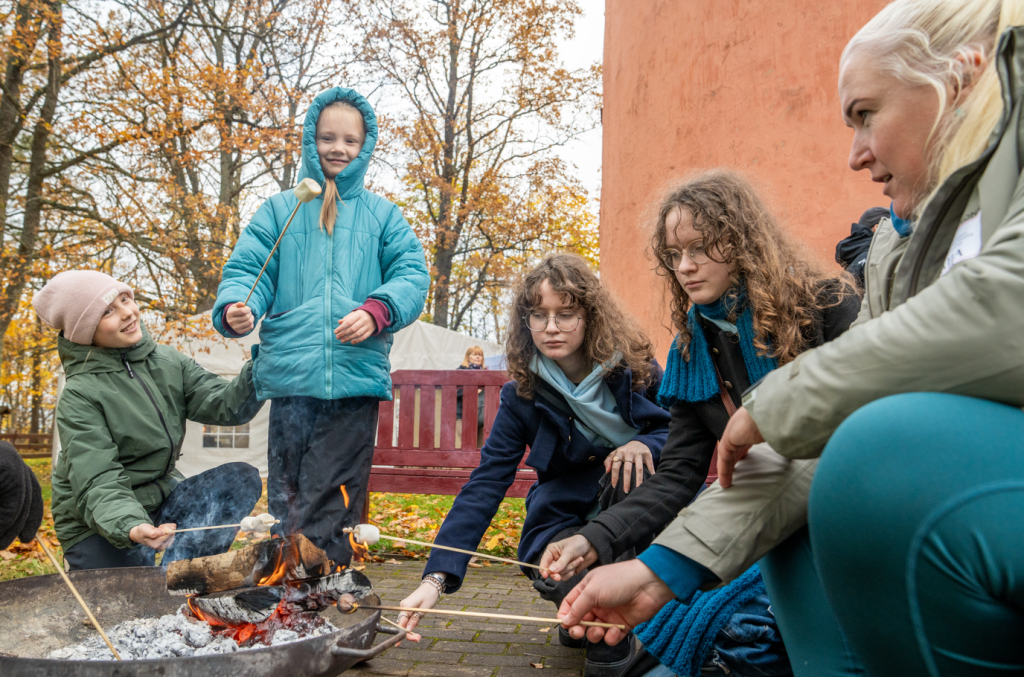
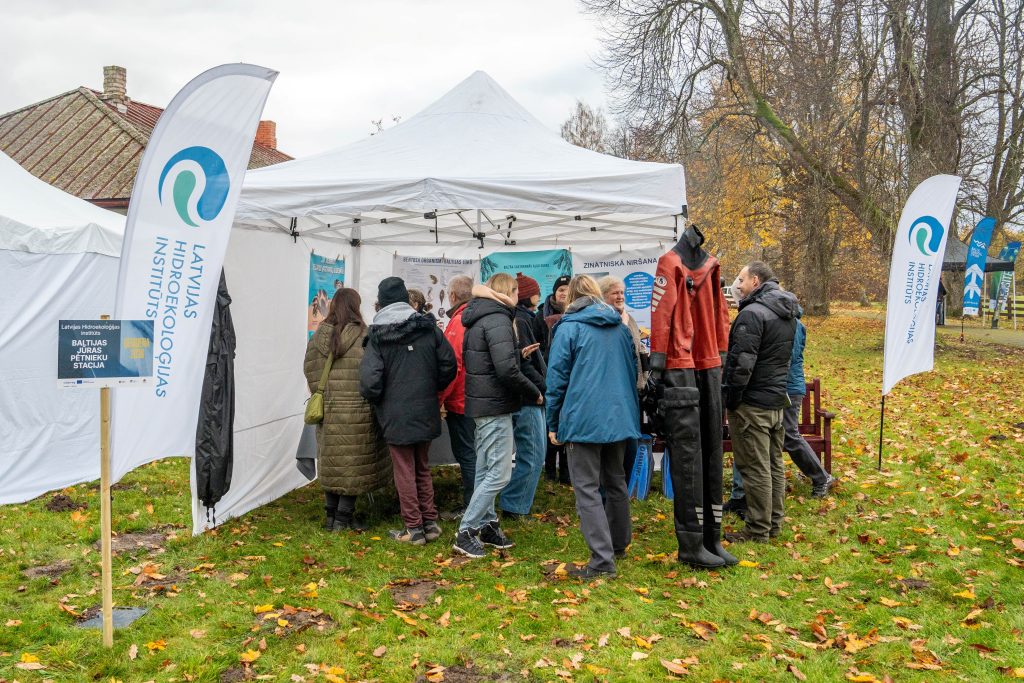
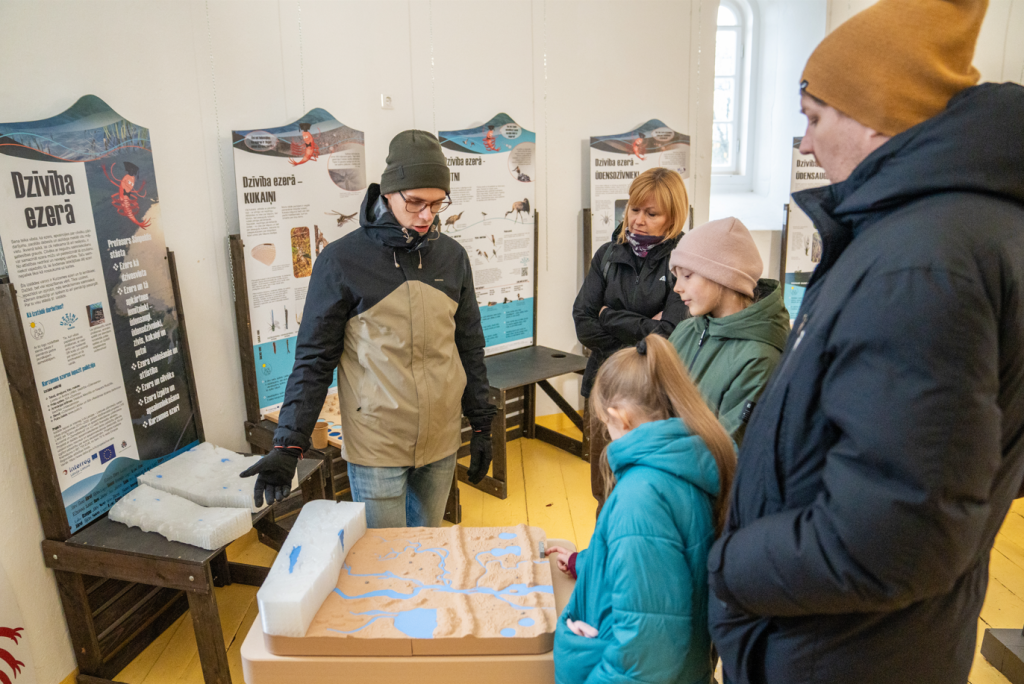
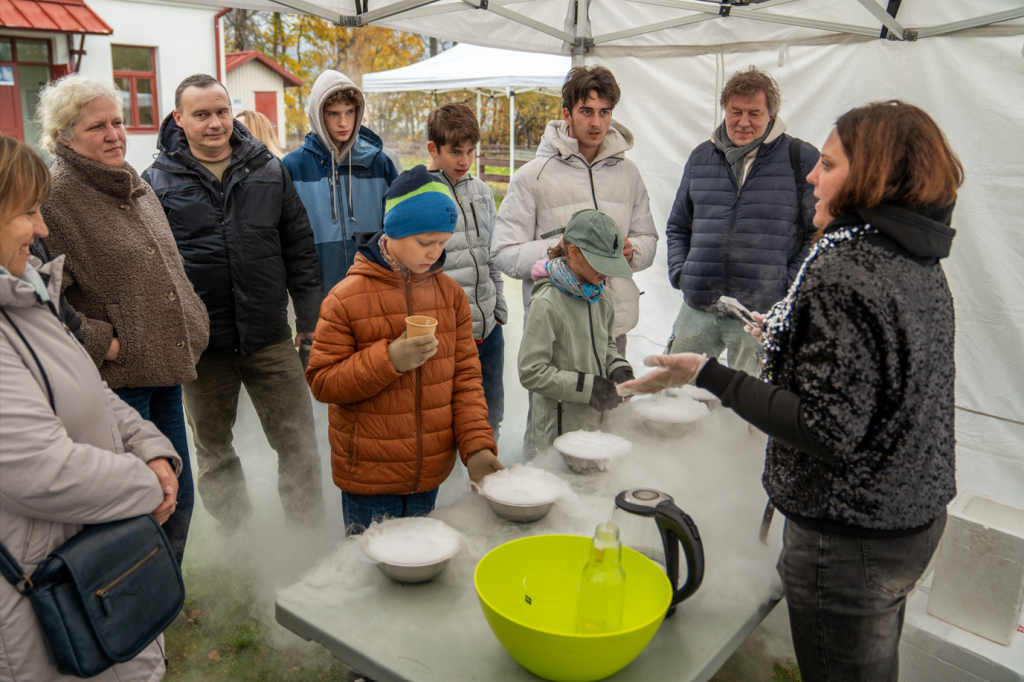
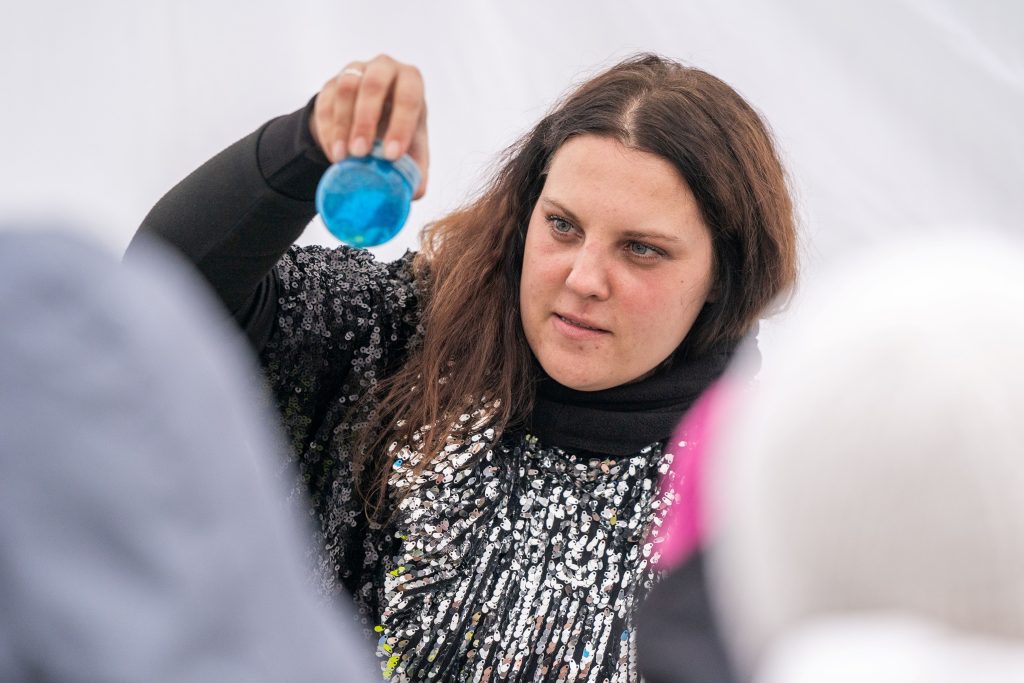
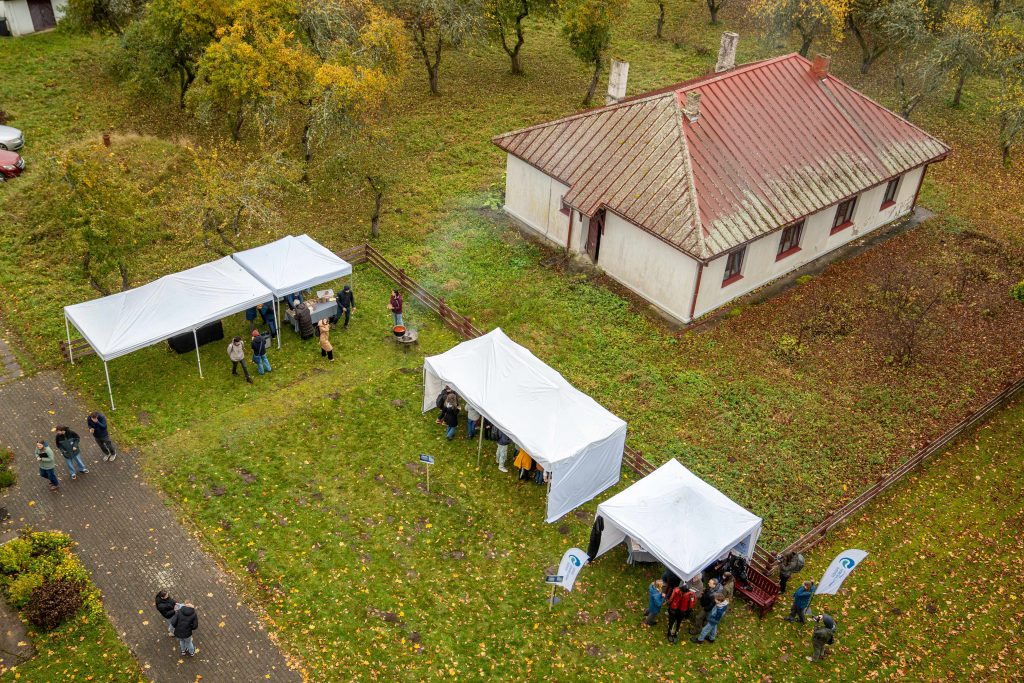
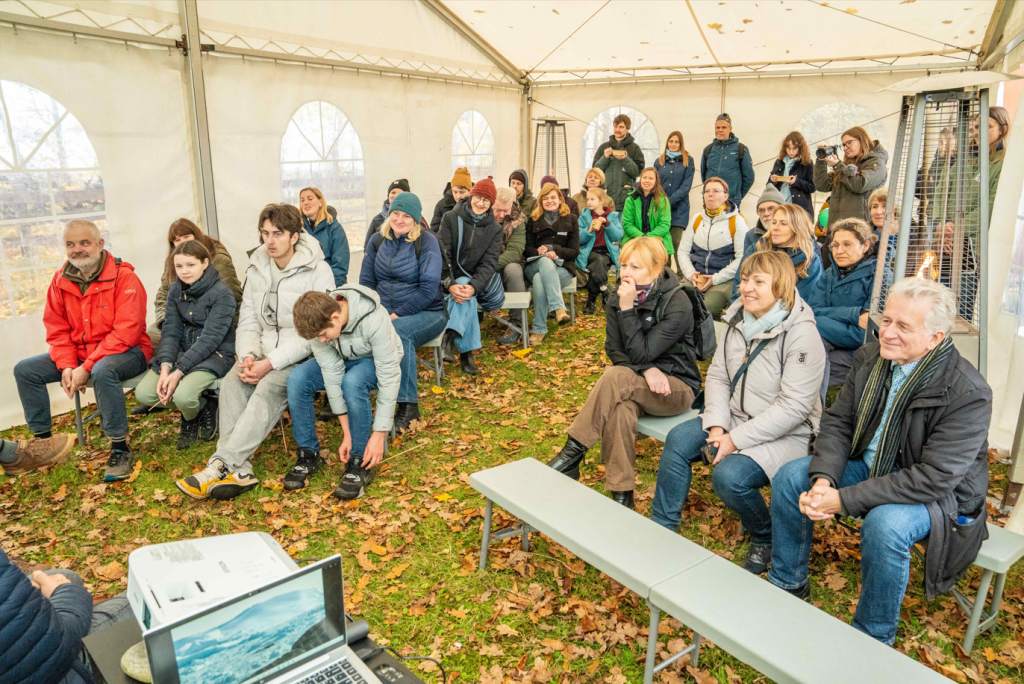
This year’s GeoDay took place at Šlītere Lighthouse, situated on the edge of the Slītere Blue Hills escarpment, where the shoreline of the ancient Baltic Ice Lake once lay. With visible traces of the Ice Age still preserved in the surrounding landscape, the location provided an ideal setting for exploring the fascinating world of glaciers. Throughout the day, visitors had the opportunity to listen to scientists, discover research methods and equipment, take part in experiments and creative activities, and climb Šlītere Lighthouse to admire the surrounding landscape from above.
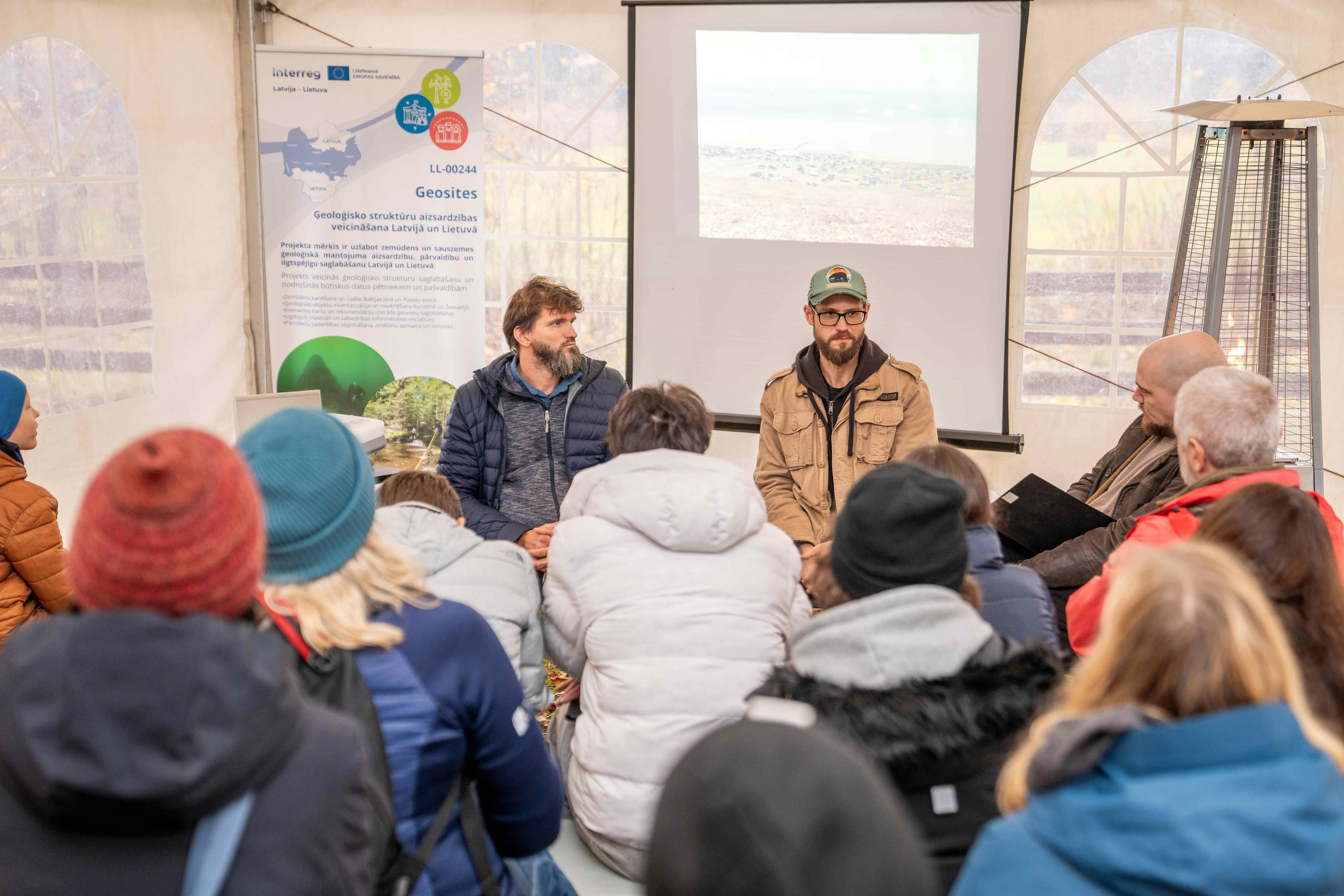
The event opened with Anna Elizabete Upsava, Geosites Project Manager at Kurzeme Planning Region, presenting the project’s achievements in researching and conserving geological heritage in Latvia and Lithuania. Geologist Dr Sandijs Mešķis then took visitors on a fascinating journey into the world of glaciers, explaining how they form, move and transform their surroundings. His presentation offered insights into the role glaciers played in shaping the landscape of Kurzeme and helped visitors recognise traces of the Ice Age that remain visible today.
Evidence of the Ice Age can be found not only on land but also beneath the surface of the Baltic Sea. Ieva Bārda, a researcher at the Latvian Institute of Aquatic Ecology, introduced visitors to underwater reefs, their formation and the methods used to study them. Her presentation was accompanied by impressive video footage, offering a glimpse into the work of marine researchers and revealing a fascinating underwater world that usually remains hidden from view.
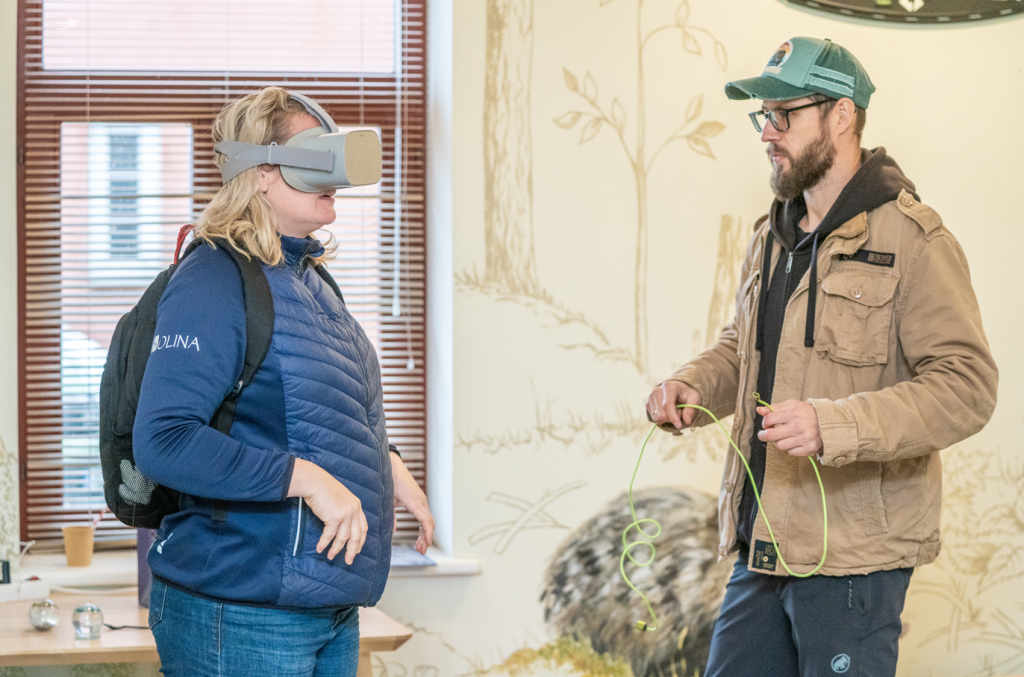
One of the highlights of GeoDay was a virtual journey to the glaciers of Iceland. Guided by geologist Dr Kristaps Lamsters, visitors used virtual reality (VR) headsets to explore Iceland’s spectacular glacial landscapes and experience the environments in which scientific expeditions take place. Meanwhile, geologist Kristaps Rendinieks introduced the interactive geological model developed as part of the Geosites project, helping visitors understand glacial landforms and the processes behind their formation.
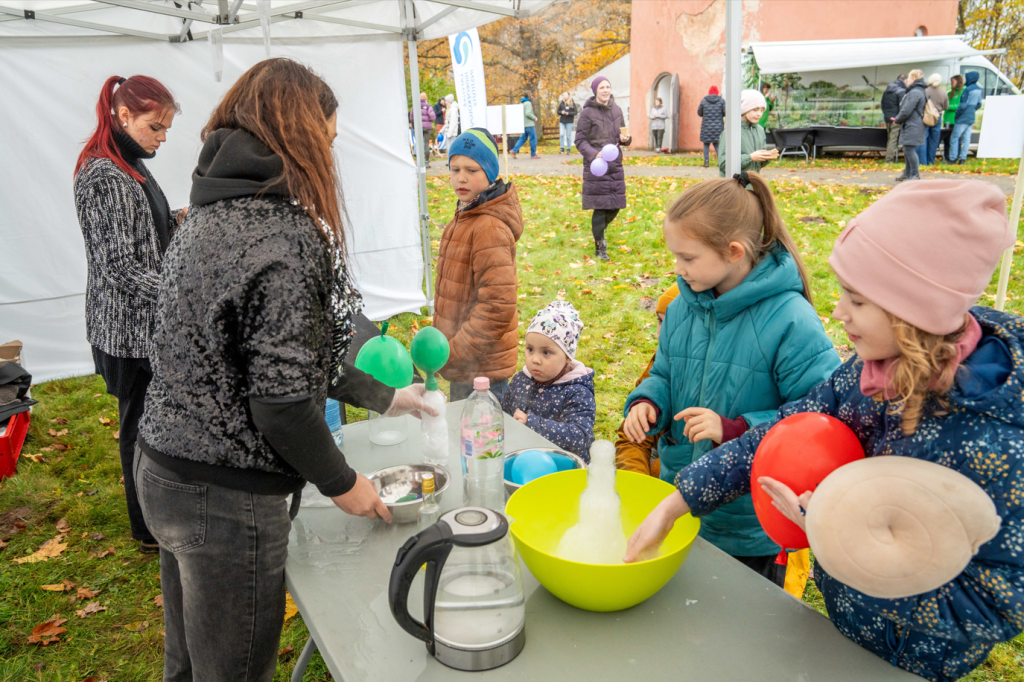
There was plenty of activity in the educational and creative workshop area, with something to engage visitors of all ages. The Nature Conservation Agency’s mobile nature classroom offered opportunities to explore biodiversity, while researchers from the Latvian Institute of Aquatic Ecology provided further insights into marine research and the underwater environment. Children enthusiastically took part in creative workshops, while dry ice experiments captured the attention of both younger and older visitors.
The event concluded with a combination of science and humour. In an informal discussion entitled “Behind the Scenes of Glacier Expeditions”, moderated by comedian Kalvis Troska, geologists Dr Sandijs Mešķis and Dr Kristaps Lamsters shared memorable experiences and adventures from their scientific expeditions to Iceland, Greenland, the Arctic and Antarctica. Their stories featured unexpected situations, amusing incidents and the challenges of working in extreme natural conditions, giving visitors a rare and entertaining glimpse into the everyday realities of scientific fieldwork.
GeoDay at Šlītere Lighthouse demonstrated how even complex natural processes can be explained in an accessible, engaging and humorous way, inspiring curiosity about geology among both children and adults. The event marked the second year of a tradition that began in Nīca Parish in 2025, when visitors explored the formation of coastal dunes and celebrated Pūsēnu Hill, Latvia’s Geological Site of the Year 2025.
The event was organised by Kurzeme Planning Region in cooperation with the Latvian Institute of Aquatic Ecology and the Nature Conservation Agency as part of the Interreg VI-A Latvia–Lithuania Programme 2021–2027 project “Geosites – Enhancing the Protection of Geological Structures in Latvia and Lithuania” (No. LL-00244).
The GEOSITES project is co-financed by the Interreg Latvia–Lithuania Cross-border Cooperation Programme 2021–2027 and represents a strategic effort to strengthen cross-border collaboration in geological heritage conservation.
Information prepared by:
Anna Elizabete Upsava
Phone: +371 26369876
E-mail: anna.upsava@kurzemesregions.lv
