

P003 “Integrating Regenerative Practices in Nature and Cultural Tourism” (RegenT)
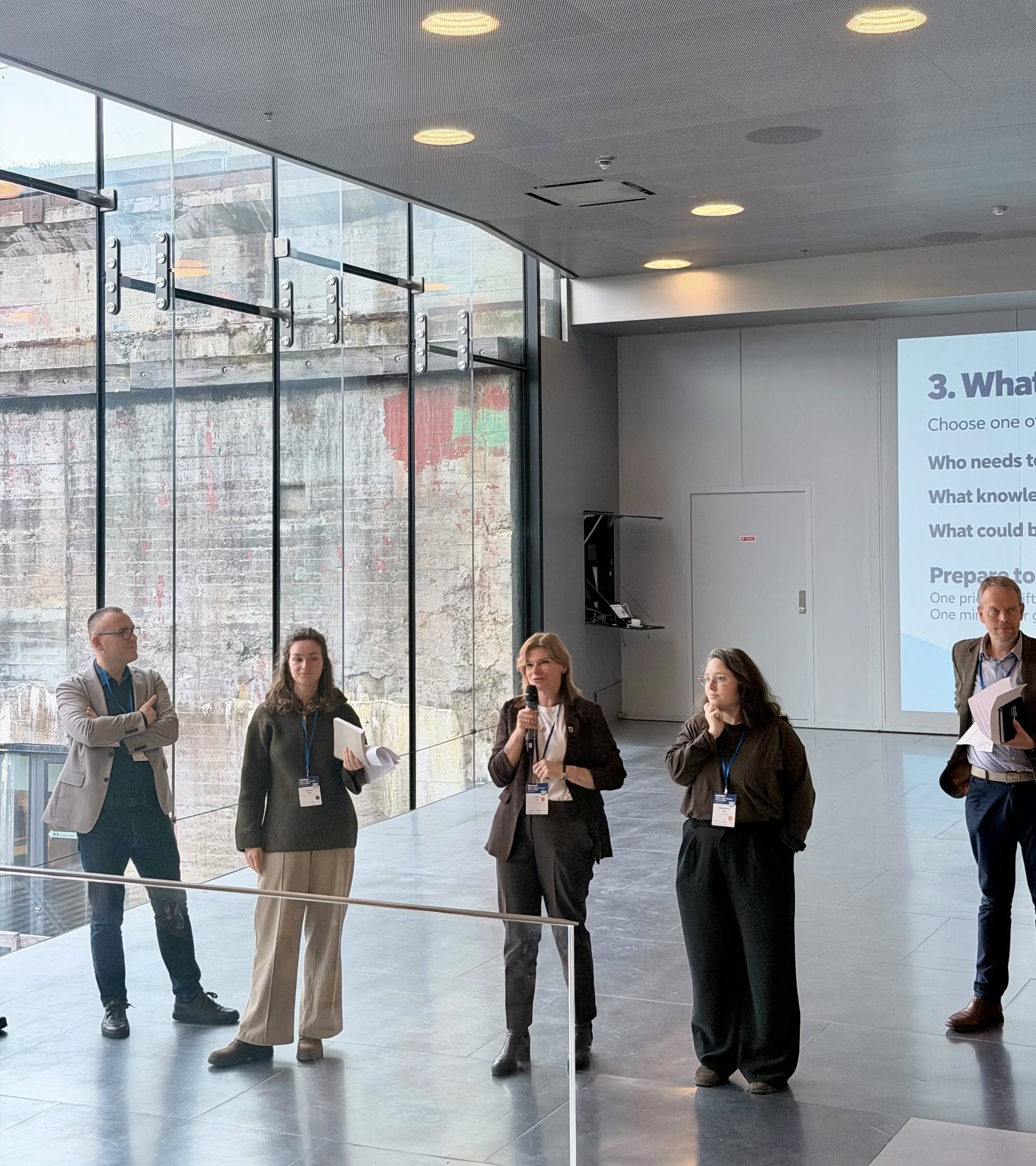
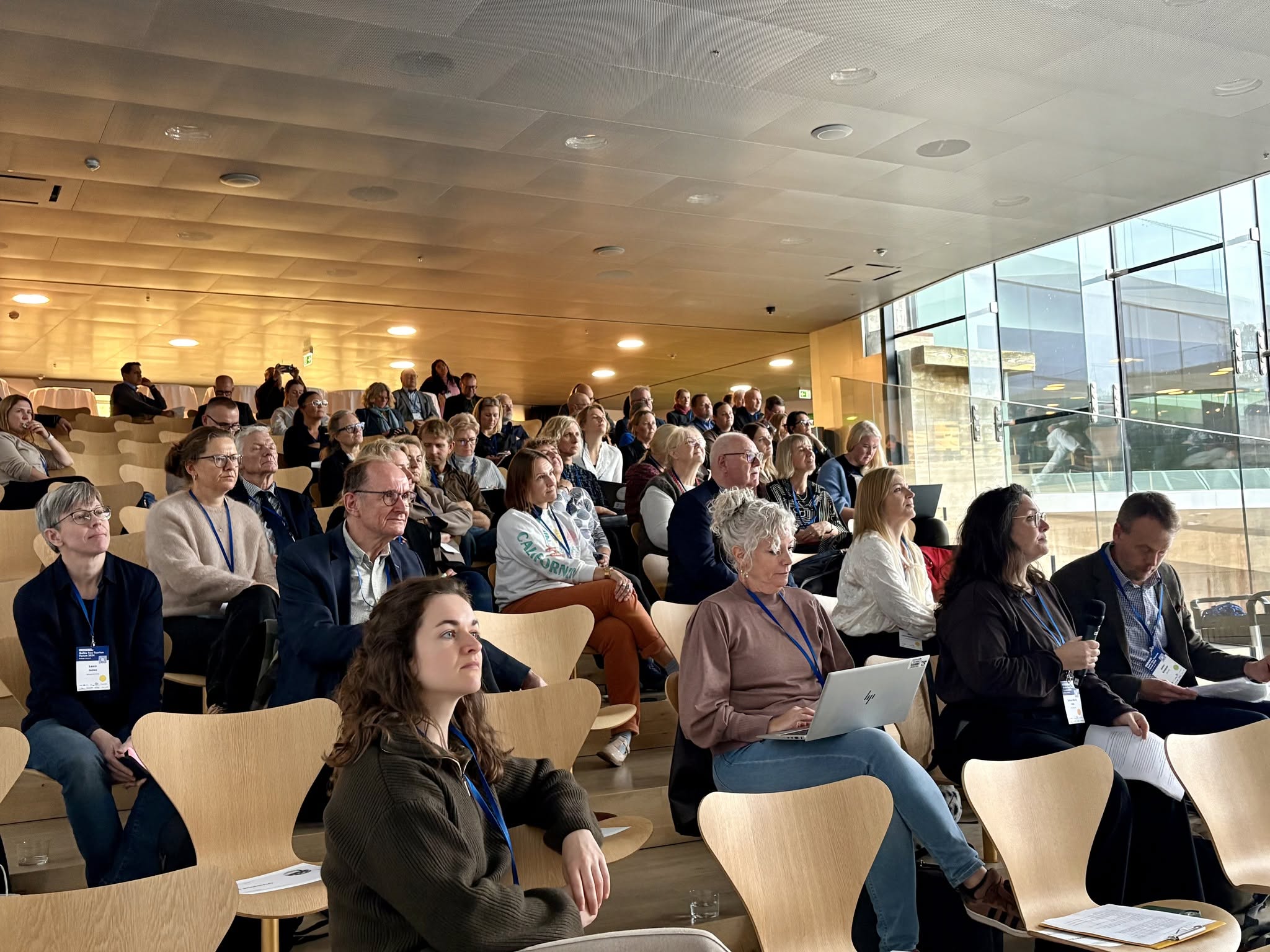
In early November 2026, representatives of Kurzeme Planning Region participated in the Baltic Sea Tourism Forum 2026 and a practical workshop organised as part of the RegenT project in Helsingør, Denmark. The events brought together tourism experts and practitioners to discuss opportunities for developing regenerative tourism in the Baltic Sea Region, engaging local communities and creating more sustainable tourism destinations.
The discussions highlighted that tourism should not only attract visitors but also bring about positive change for local communities, economies and the natural environment. The aim of regenerative tourism is to ensure that tourism development makes destinations better places for both residents and visitors.
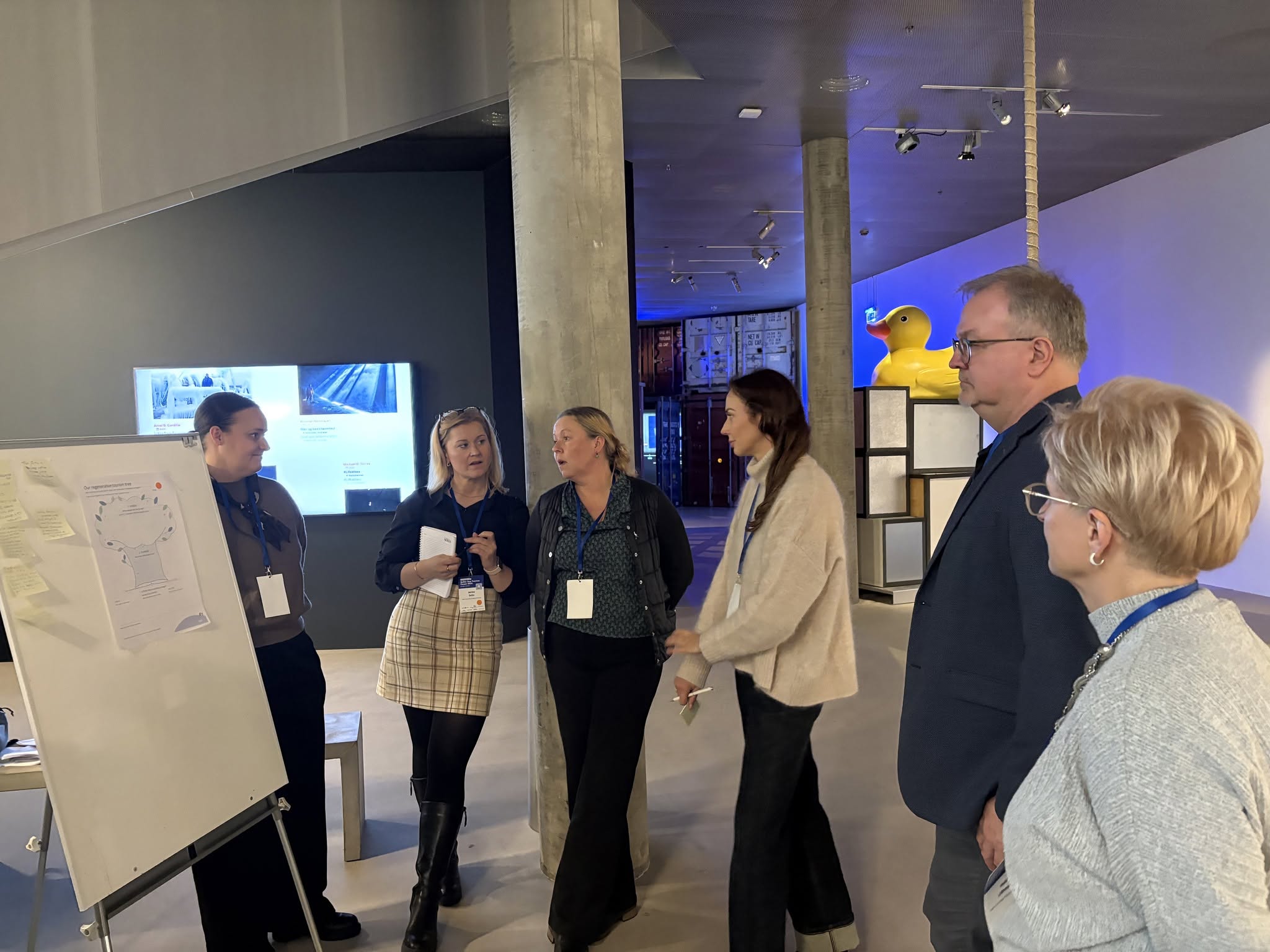
Several key principles for developing regenerative tourism were highlighted during the events:
- Local Community Wellbeing. Tourism should benefit local residents, strengthen communities and contribute to the preservation and restoration of natural and cultural assets.
- Broader Community Engagement. Tourism development should involve not only tourism businesses but also fishers, farmers, non-governmental organisations and other members of local communities.
- Collaboration Rather than Competition. Tourism destinations and regions should strengthen cooperation, knowledge exchange and mutual trust.
- A Stronger Role for Businesses. Small and medium-sized enterprises should become active partners in shaping tourism destination development rather than simply providing services.
- Responsible Destination Management. The focus should not only be on promoting destinations and attracting visitors, but also on creating long-term value for each destination.
Particular emphasis was placed on the importance of strengthening existing cooperation networks, encouraging knowledge exchange and building trust between local authorities, businesses and communities. Developing regenerative tourism requires a shared understanding of a destination’s needs, values and future development.
These insights are also highly relevant to Kurzeme, where tourism development is closely linked to the preservation of natural and cultural heritage, local entrepreneurship and community engagement. The regenerative tourism approach offers opportunities to develop tourism experiences that not only attract visitors but also contribute to the wellbeing of local residents and the restoration of natural assets.
The key takeaway from the events was that regenerative tourism must place destinations and their communities at its heart. Tourism development should help make places better for both those who live there and those who visit.
Project “RegenT”
The RegenT project platform aims to support the Baltic Sea Region tourism sector in moving beyond sustainability towards the active regeneration of natural and cultural assets, providing public authorities with practical knowledge and tools for developing regenerative tourism.
Building on the results of seven Interreg projects – including the experience gained through “Light in the Dark” – RegenT provides a platform for learning, knowledge exchange and networking, promoting systemic change and the development of resilient economies and communities across the region.
The platform’s activities are supported by the Interreg Baltic Sea Region Programme 2021–2027.
Find out more about RegenT on the project website:
https://interreg-baltic.eu/project/regent/
Project Manager:
Alise Lūse
alise.luse@kurzemesregions.lv
