

From 21 to 22 January 2026, within the framework of the GEOSITES project, a team from the Kurzeme Planning Region, together with representatives of the Latvian Institute of Aquatic Ecology, took part in a study visit to Lithuania (Plateliai, Plungė District Municipality), where the project’s 2nd partner meeting — “Enhancing protection and conservation of geological structures in Latvia and Lithuania” — was held. The meeting took place in the Žemaitija National Park area, hosted by the project partner, the Žemaitija National Park Directorate.
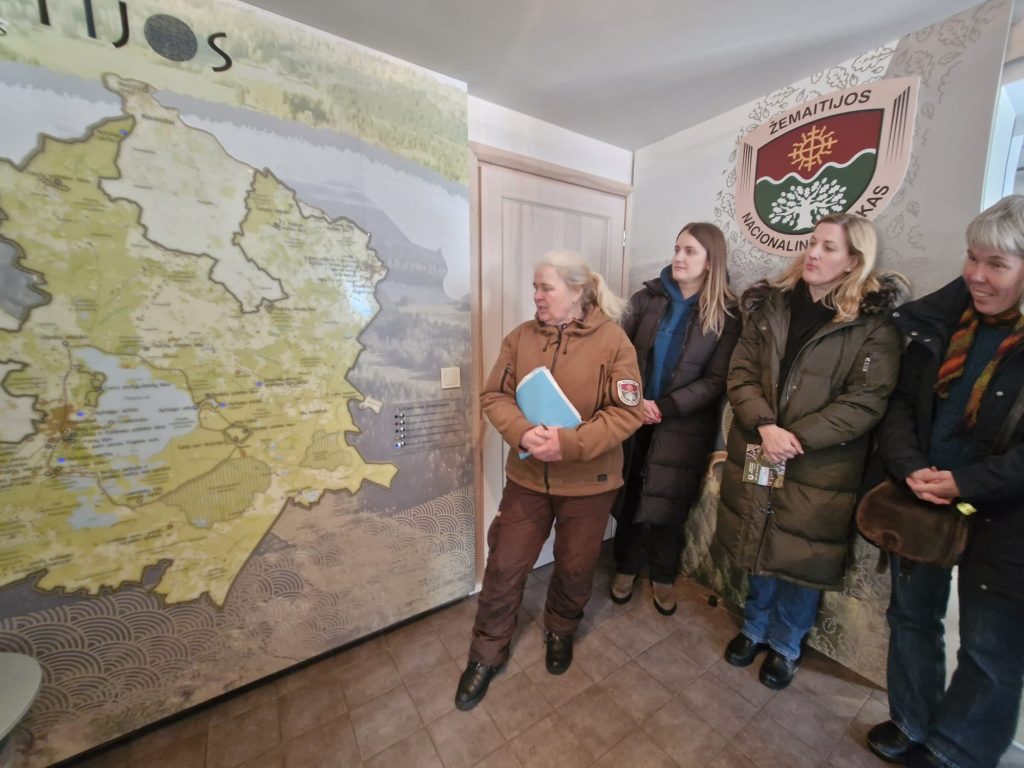
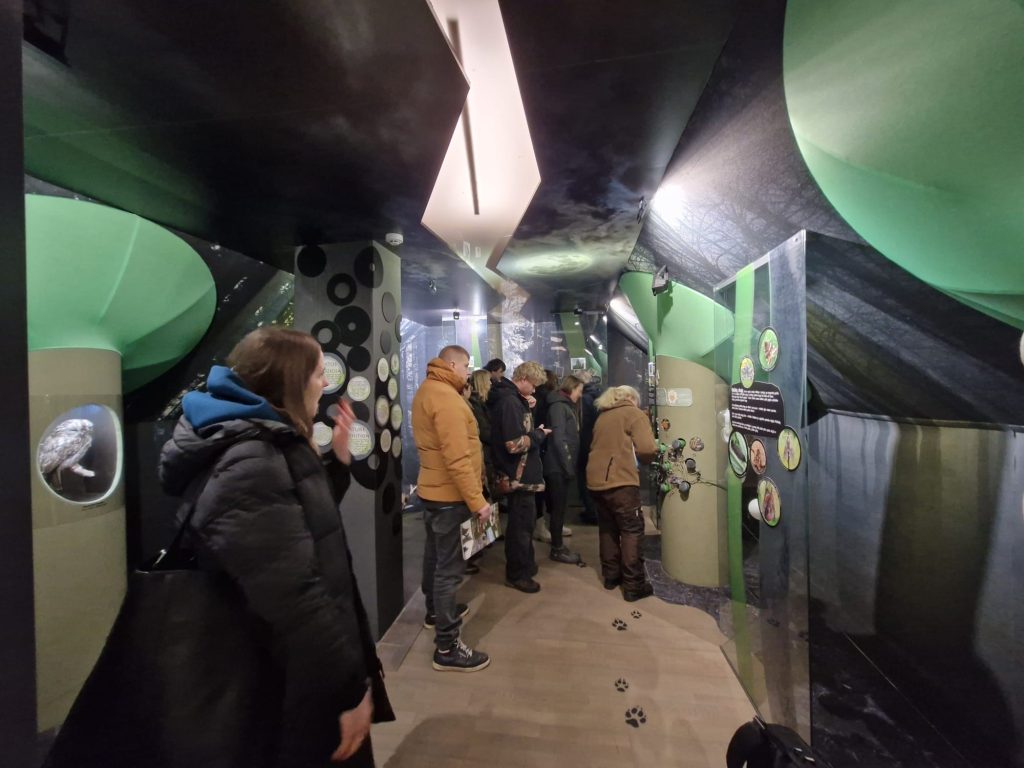
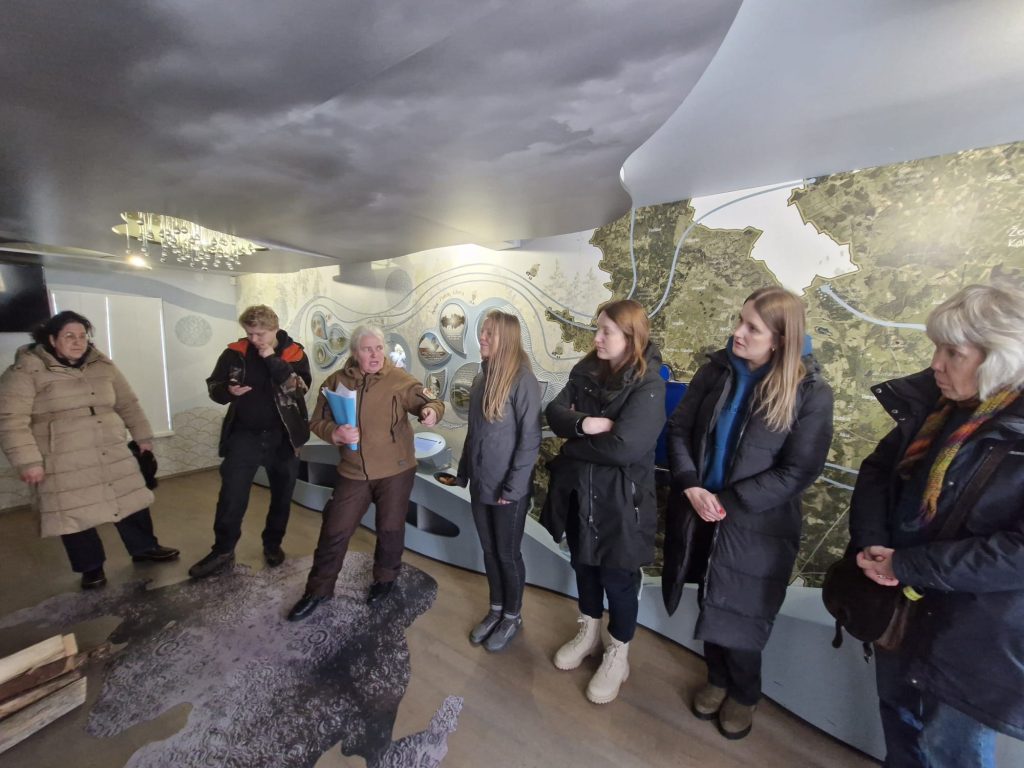
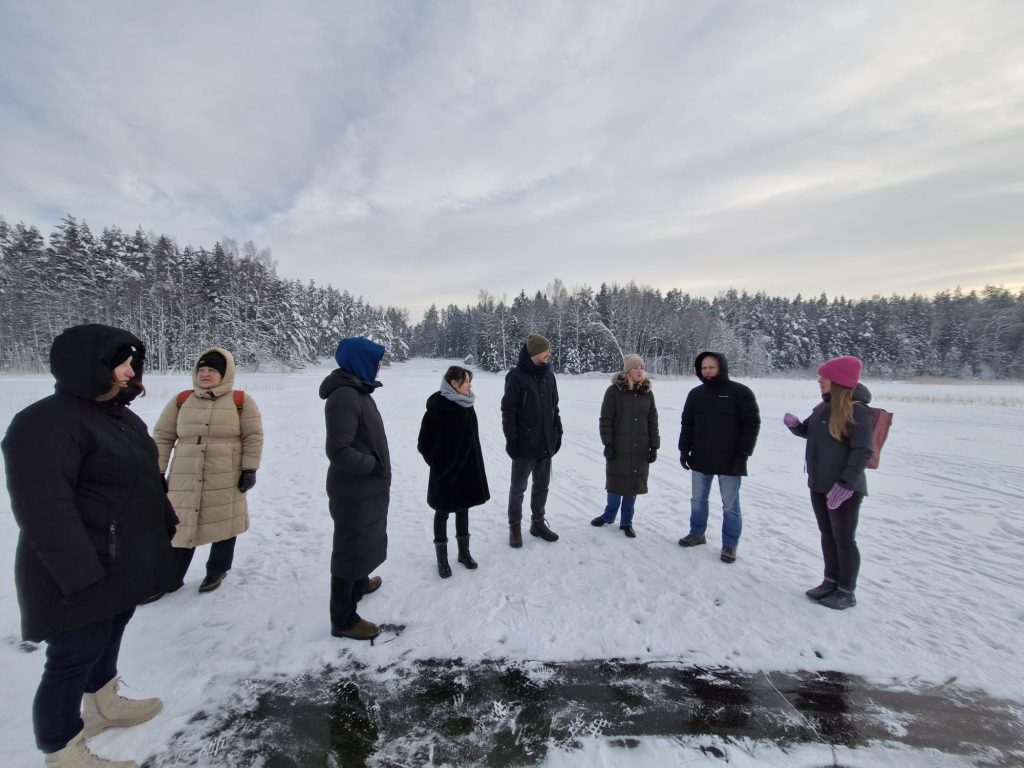
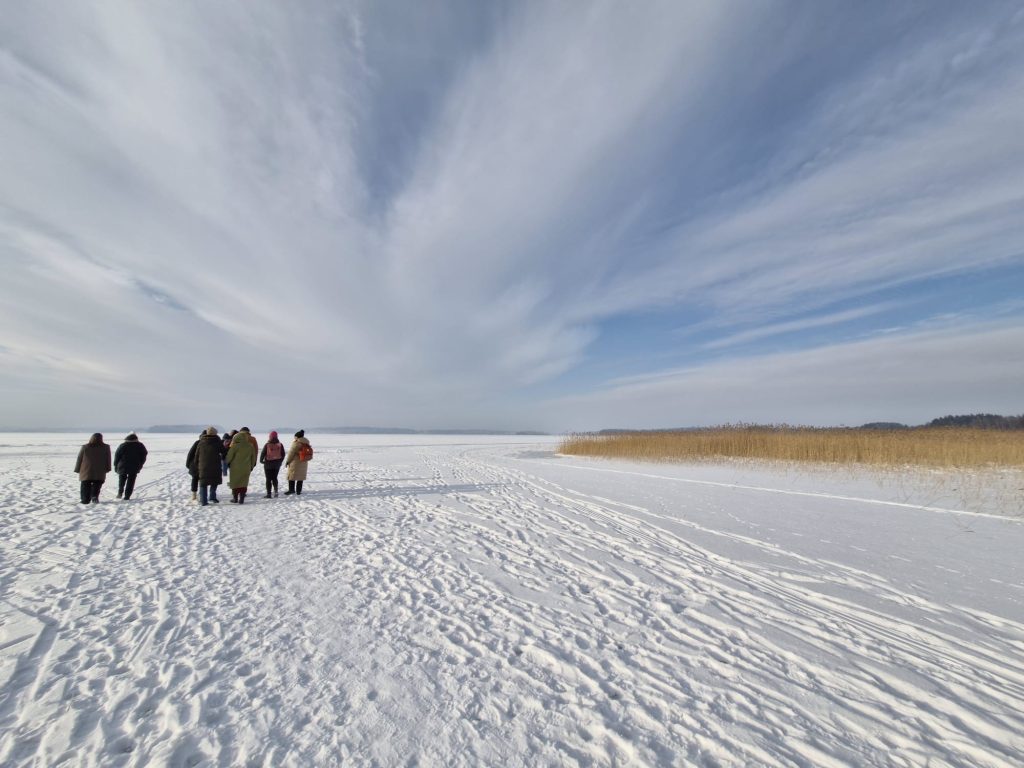
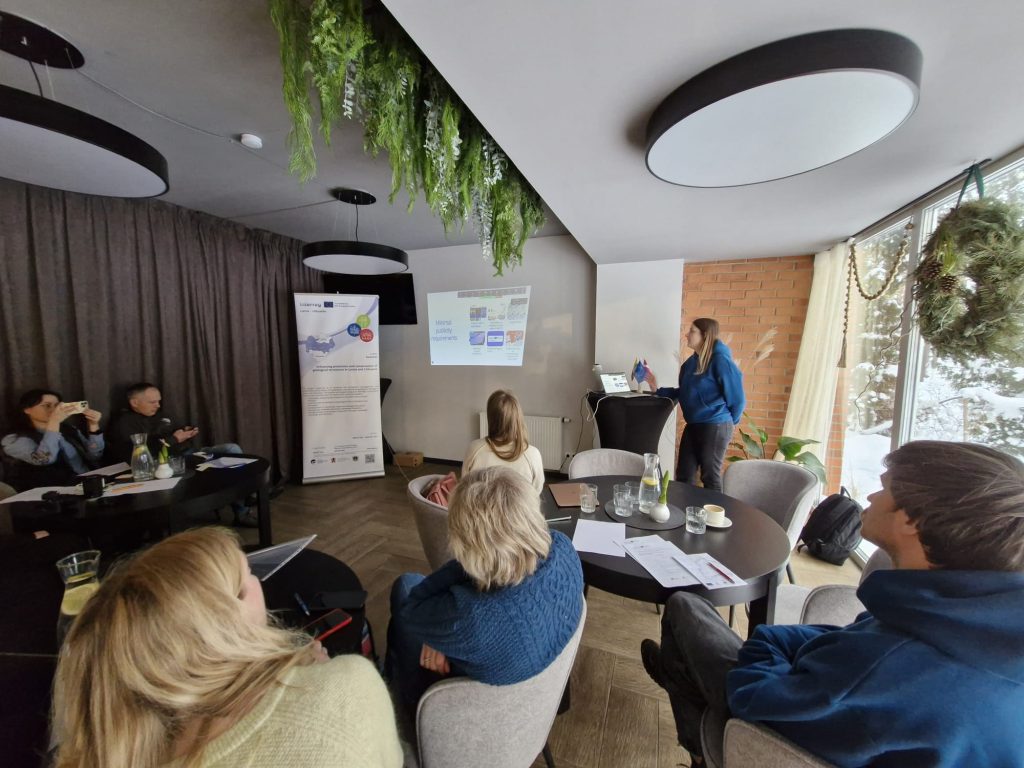
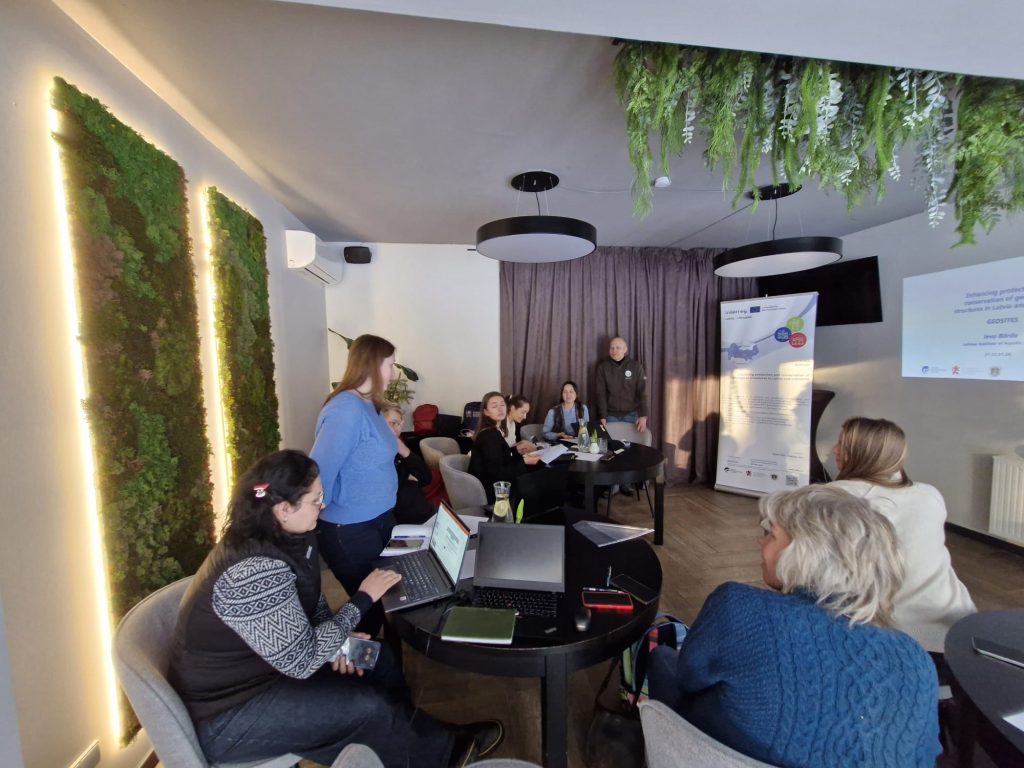
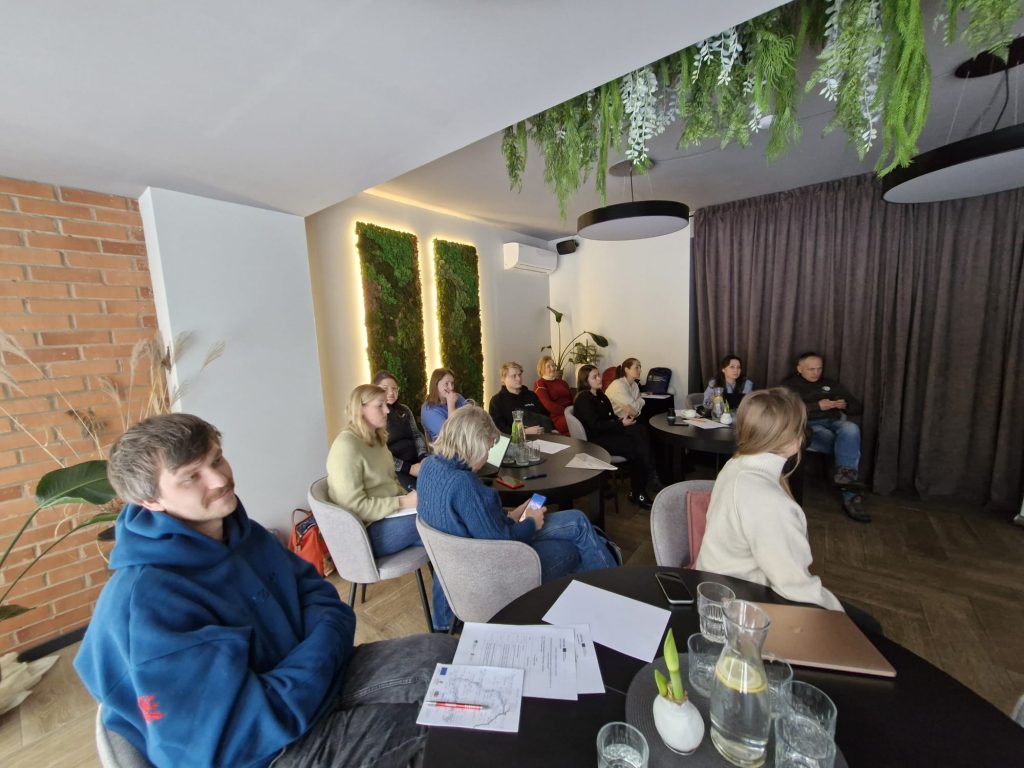
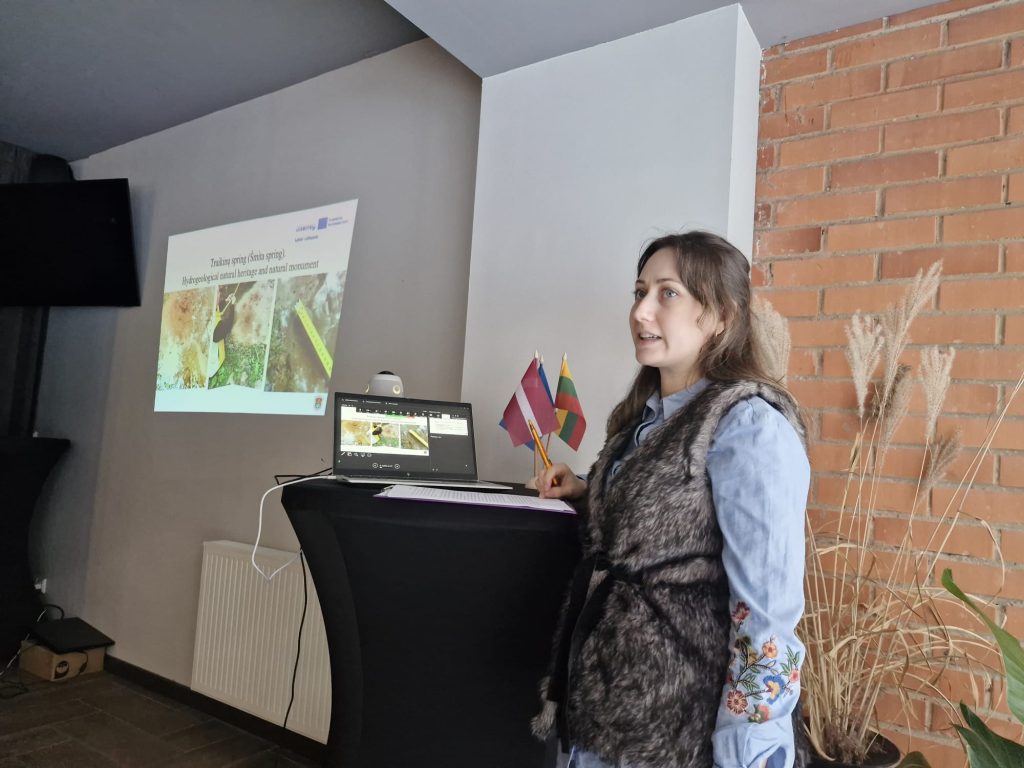
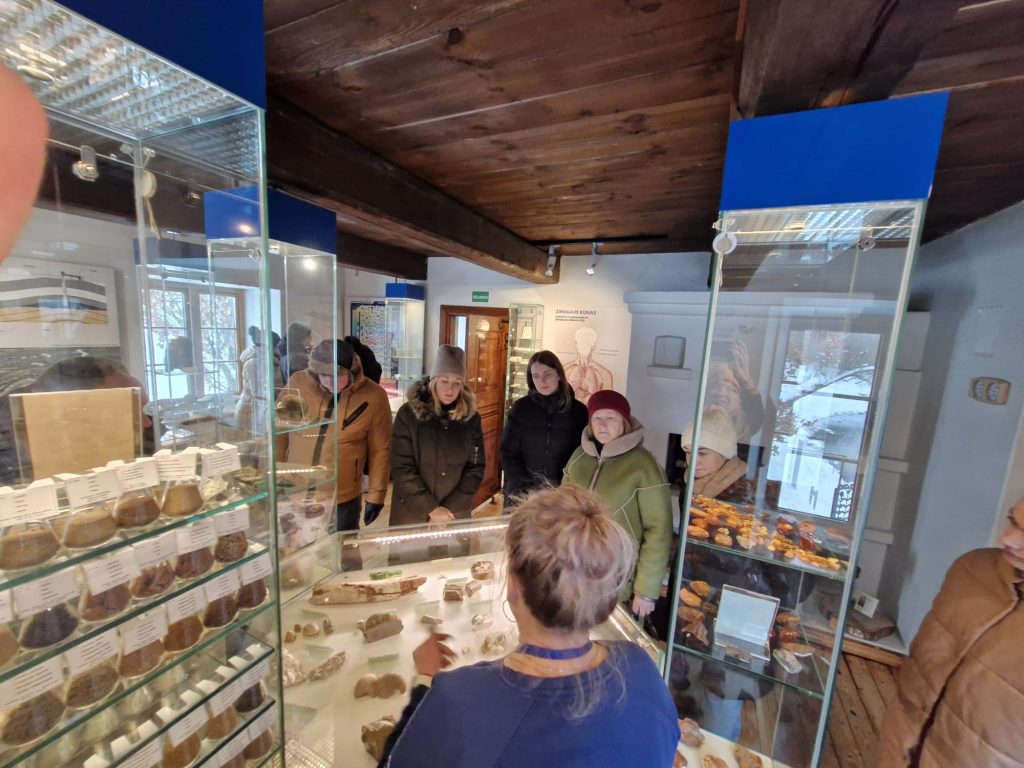
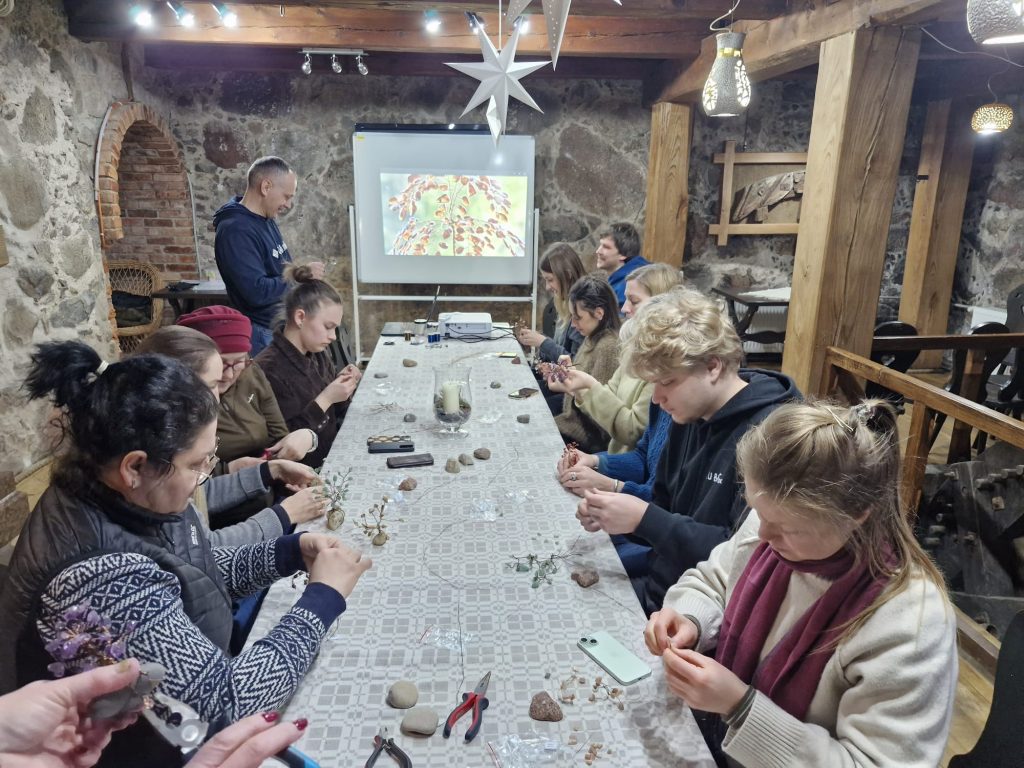
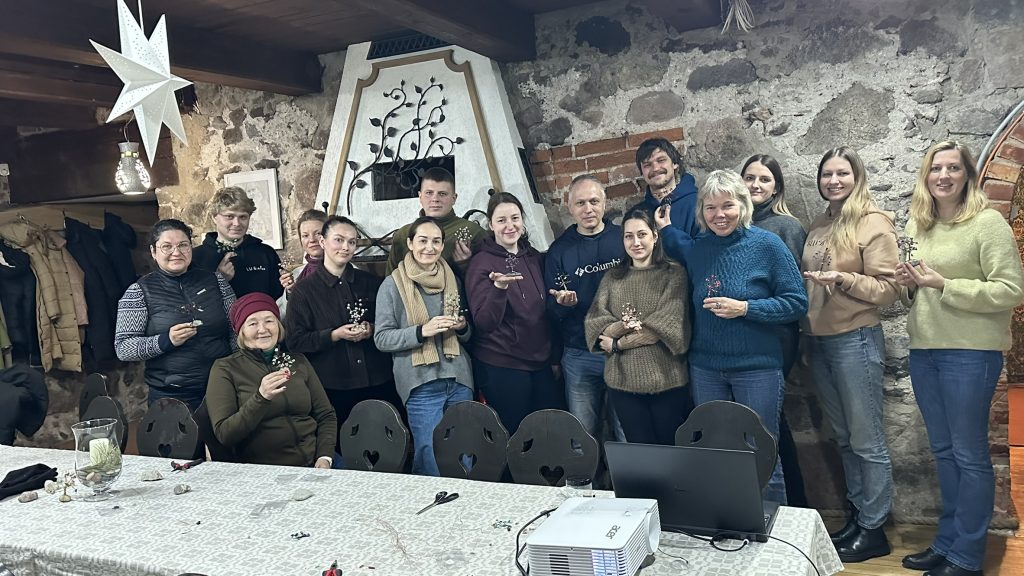
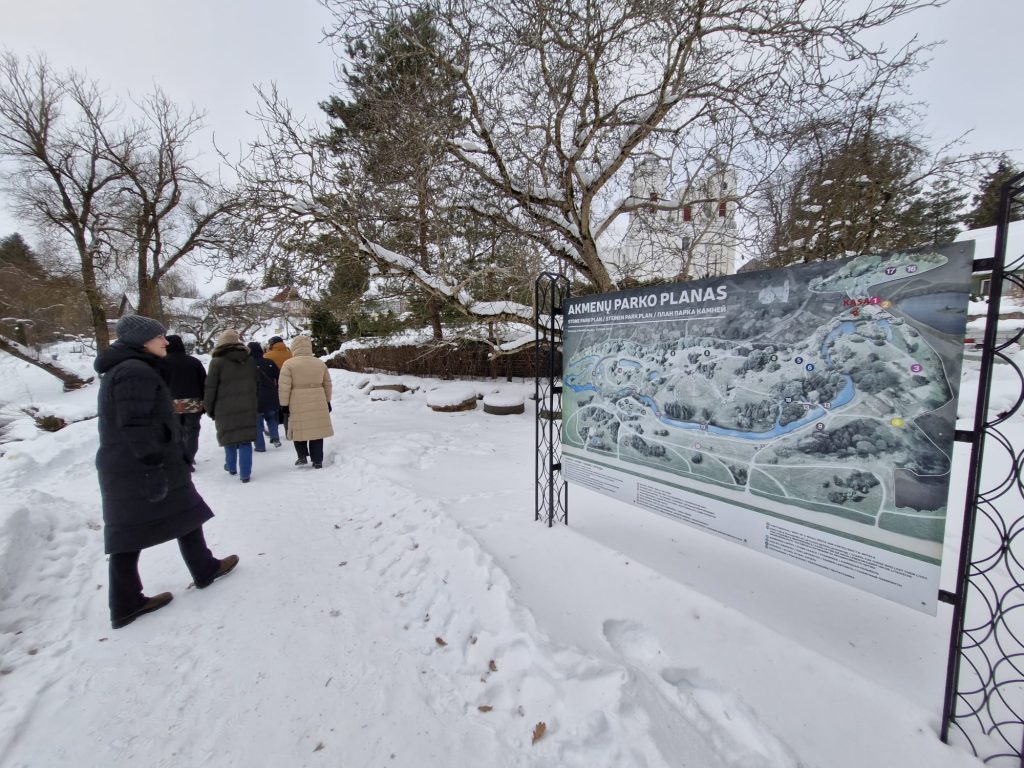
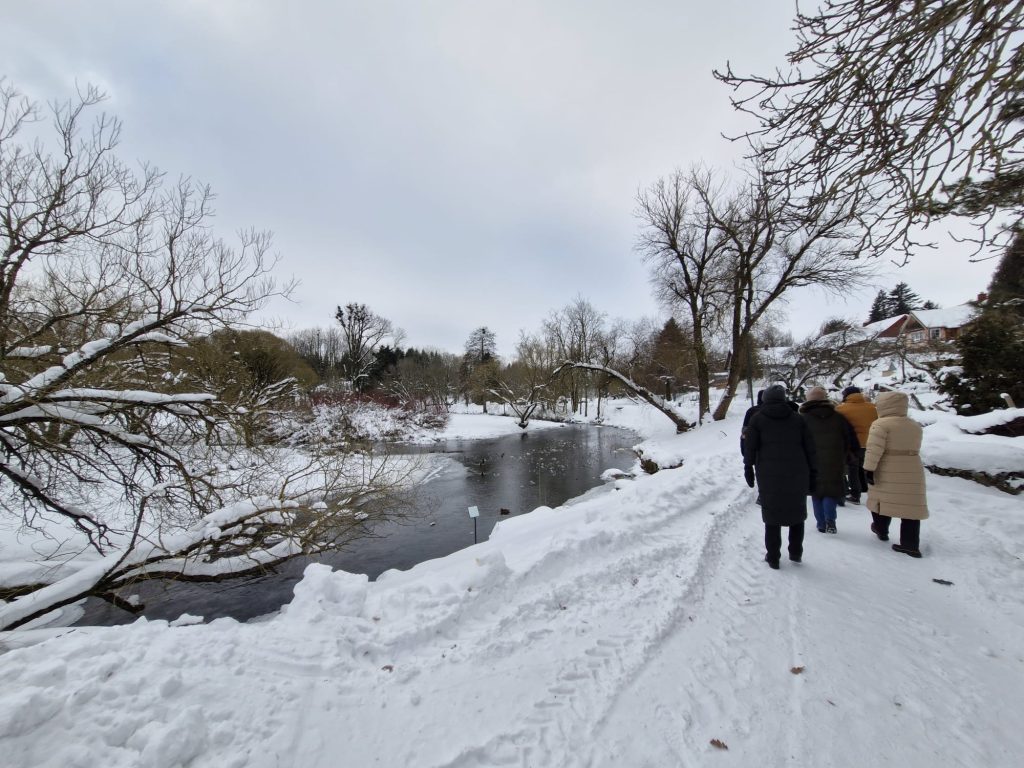
At the beginning of the visit, participants visited the Žemaitija National Park Visitor Centre in Plateliai, gaining insights into the centre’s experience in interpreting natural heritage and delivering educational activities. Winter conditions provided a distinctive setting for the event, and in the snowy landscape participants also had the opportunity to take a walk on the frozen Lake Plateliai, enjoying the tranquillity of the park area and its scenic surroundings.
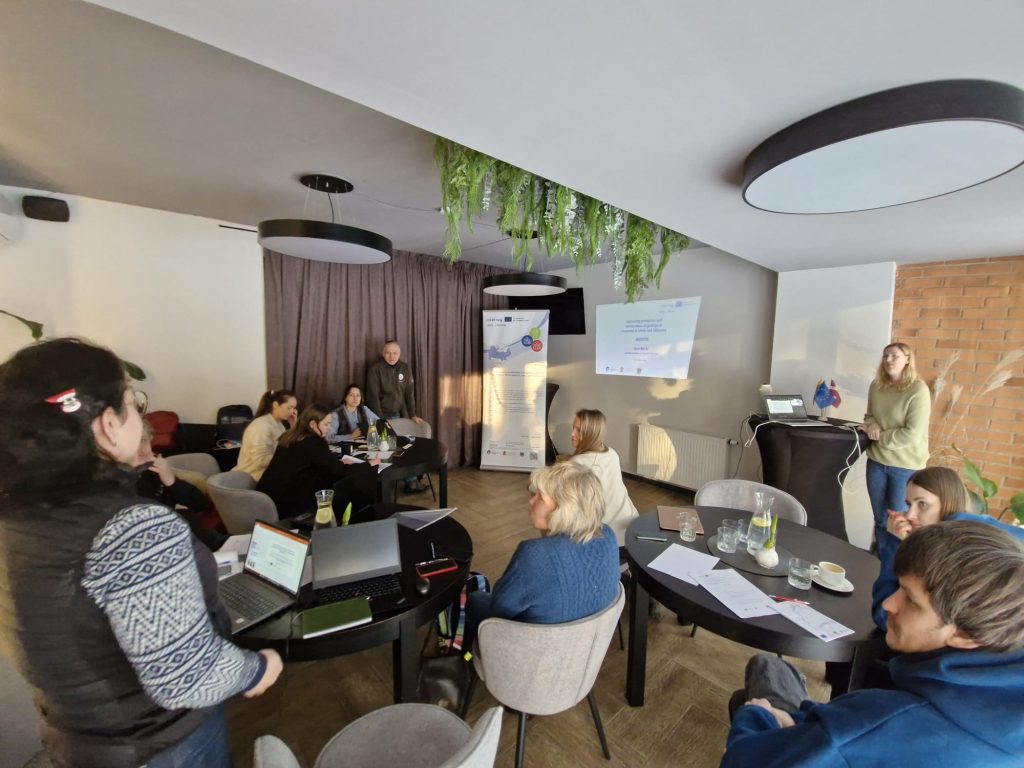
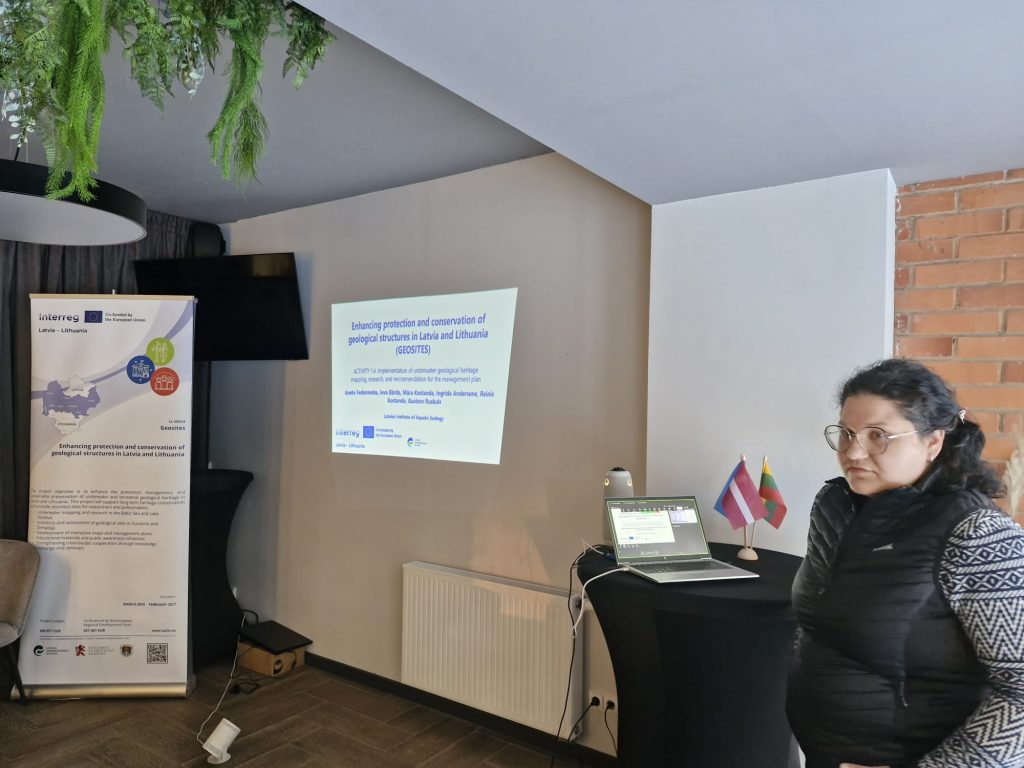
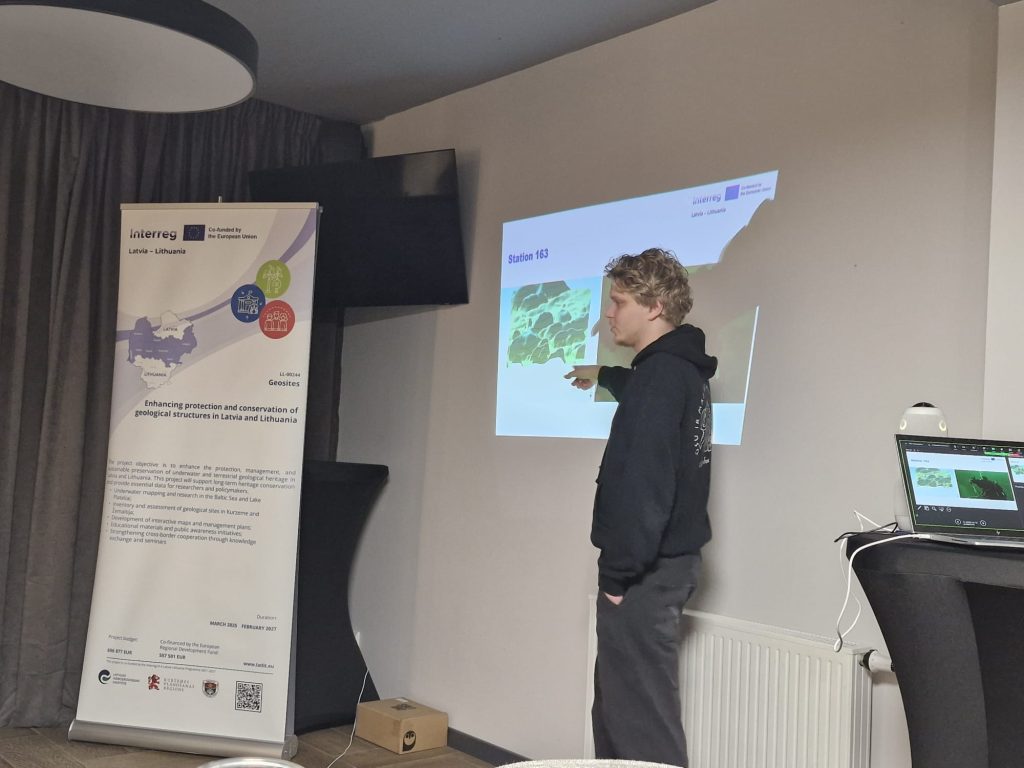
The working sessions of the meeting focused on reviewing project implementation progress and agreeing on upcoming tasks. Partners assessed the achievements to date and confirmed the next steps, with particular attention given to the project’s key outputs. Anna Elizabete Upsava, Project Manager for GEOSITES at the Kurzeme Planning Region, and Laura Homka, Public Relations Specialist, informed partners about the project’s visibility requirements, the implementation of communication activities and content preparation. Meanwhile, Jānis Puga, GIS Cartographer at the Kurzeme Planning Region, presented updates on the development of the project database, its structure and planned improvements.
Discussions also covered a range of other practical issues, including the progress of geosite inventory work and ensuring a consistent approach to data collection in both countries, the further development of the interactive map and database, as well as the research of underwater geological structures (Lake Plateliai and the Alku Shoal in the Baltic Sea) and the preparation of relevant management recommendations. Partners also clarified matters related to data quality assurance, data entry principles and how to make the information as usable as possible within the project’s further outputs.
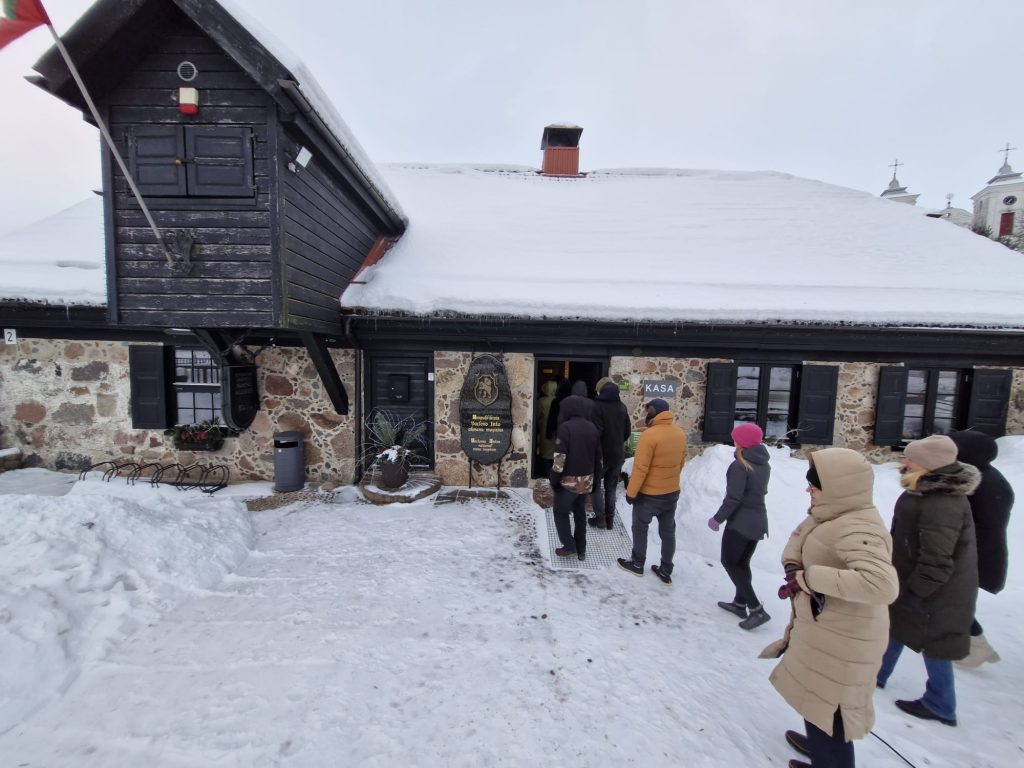
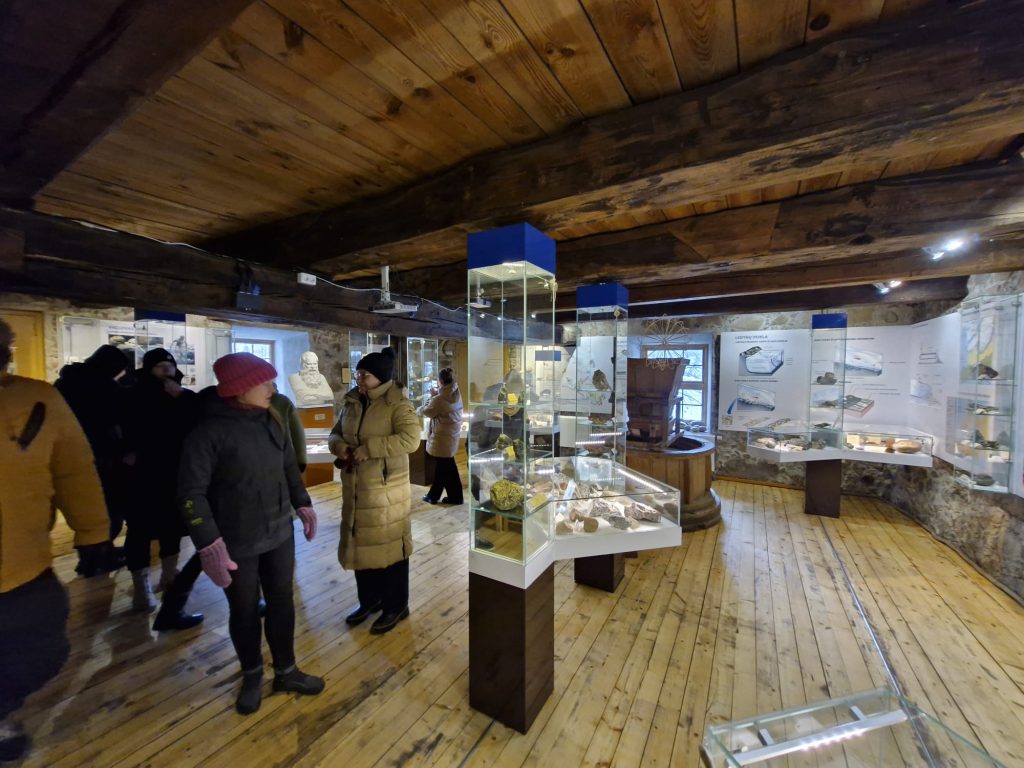
The exchange of experience continued on the second day, when participants travelled to Mosėdis (Skuodas District Municipality) to visit the Vaclovas Intas Stone Museum. The visit provided an inspiring example of how geological heritage can be presented to the public in an engaging and easy-to-understand way — not only as scientific information, but also as a story about the environment, its formation and values. The insights gained will also be useful for the project’s upcoming educational and public engagement activities.
Overall, the partner meeting and the study visit were important for the continuation of the project, helping to align the common direction, refine upcoming tasks and strengthen cross-border cooperation, ensuring that the project outputs are practical and contribute to the protection of geological heritage in both Latvia and Lithuania.
The GEOSITES project is co-financed by the Interreg Latvia–Lithuania Cross-border Cooperation Programme 2021–2027 and represents a strategic effort to strengthen cross-border collaboration in geological heritage conservation. The Lead Partner is the Latvian Institute of Aquatic Ecology, with project partners the Kurzeme Planning Region and the Žemaitija National Park Directorate (ŽNPD).
For more Information:
Anna Elizabete Upsava
Phone: +371 26369876
E-mail: anna.upsava@kurzemesregions.lv