


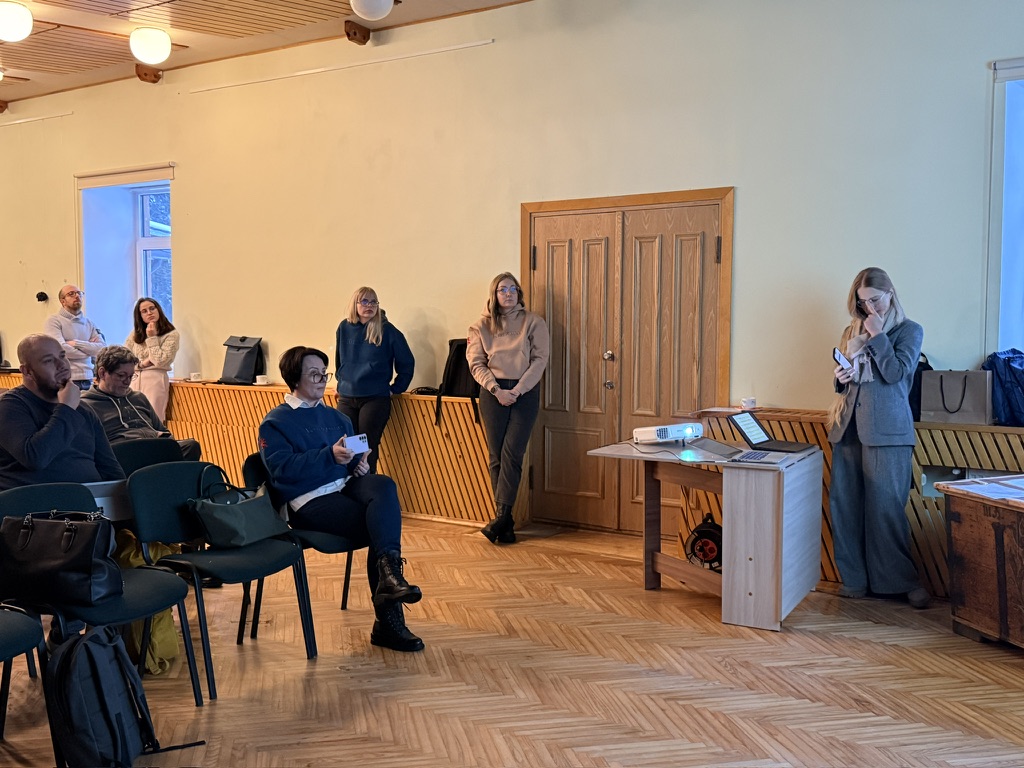
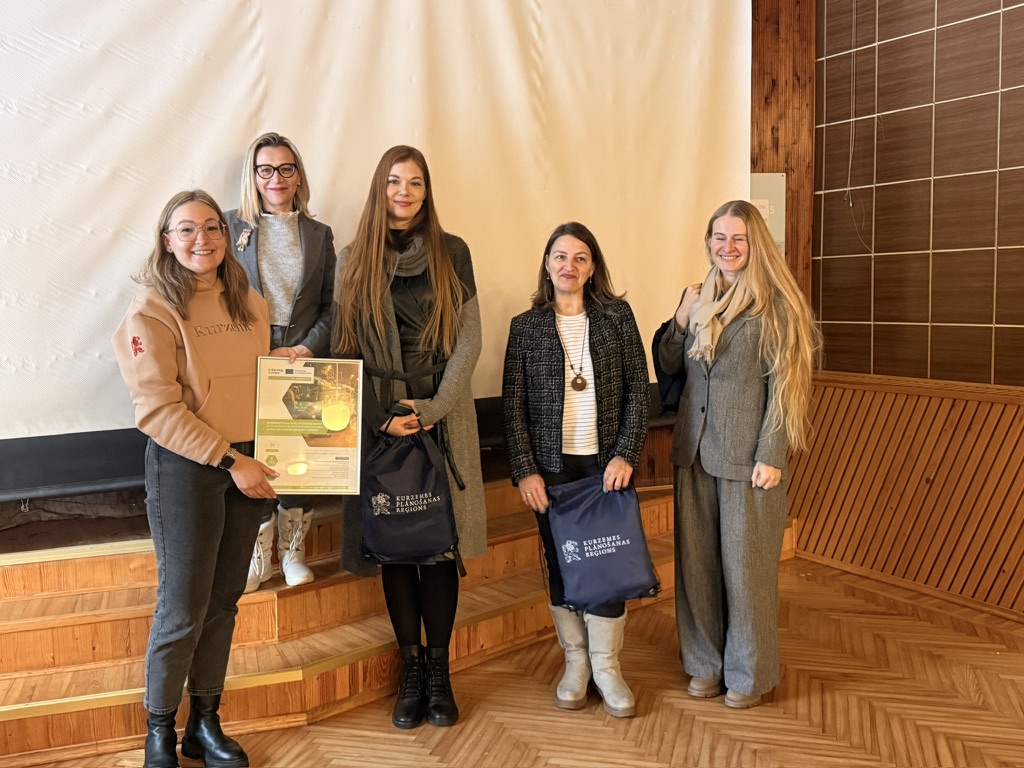
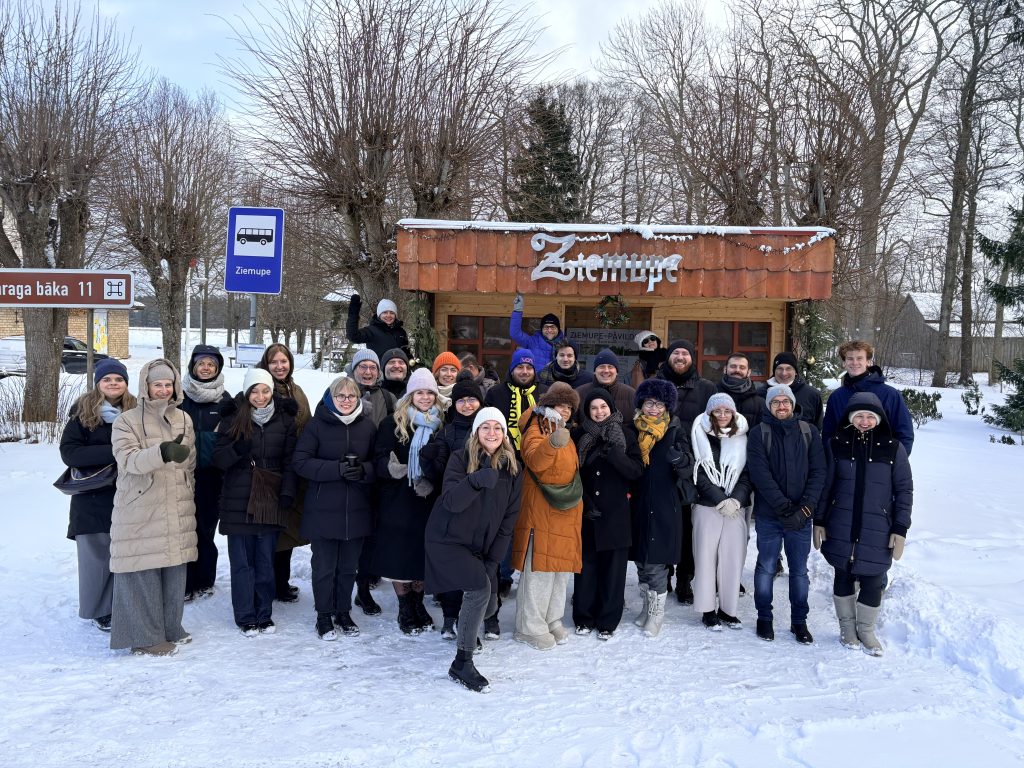
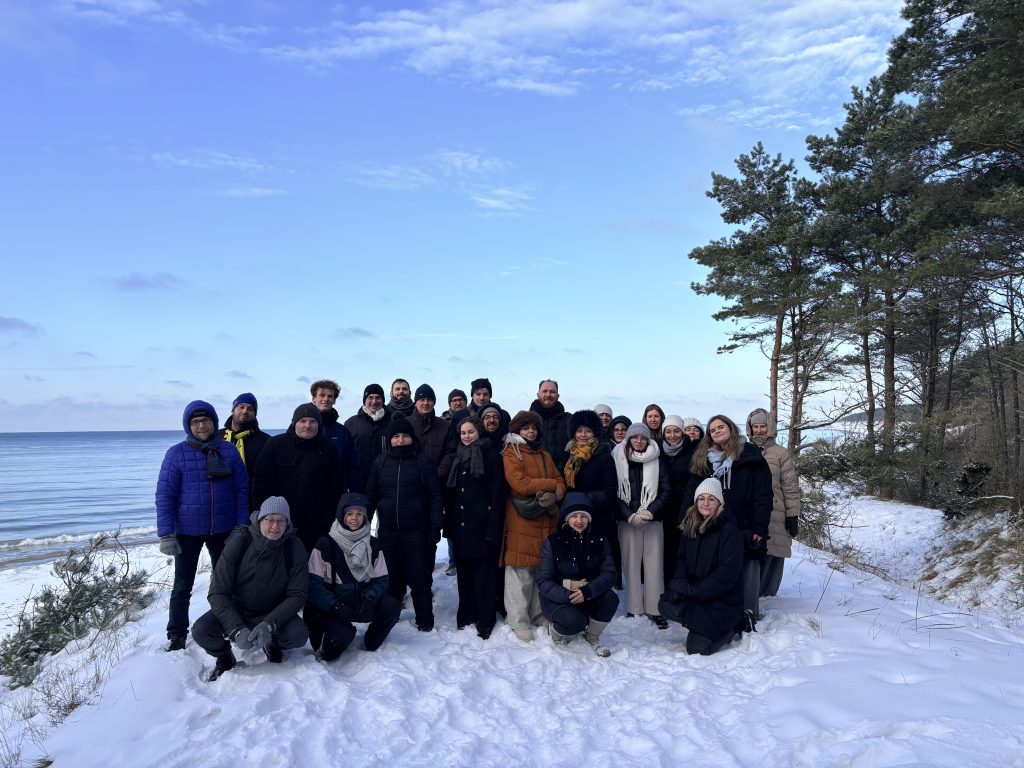
On 27–28 January 2026, partners of the IN MOBILITY – Reducing mobility poverty in urban areas project gathered in Liepāja, Kurzeme region (Latvia) for the project’s first Peer Review meeting, followed by a study visit to the rural village of Ziemupe. The two-day exchange combined structured peer learning with direct territorial experience, focusing on a shared challenge across Europe: how to ensure transport availability for all, particularly in low-density and rural areas.

Day 1, morning: preparing the ground for peer review
The meeting opened with the second Project Management Group (PMG) session, reserved for project partners. This internal working meeting focused on coordination, implementation aspects, and upcoming milestones, ensuring a common understanding of project progress before moving into the peer-learning phase. Partners also discussed communication activities planned for the second semester, aligning approaches and messages to better explain mobility poverty and transport availability to stakeholders, decision-makers and the wider public.
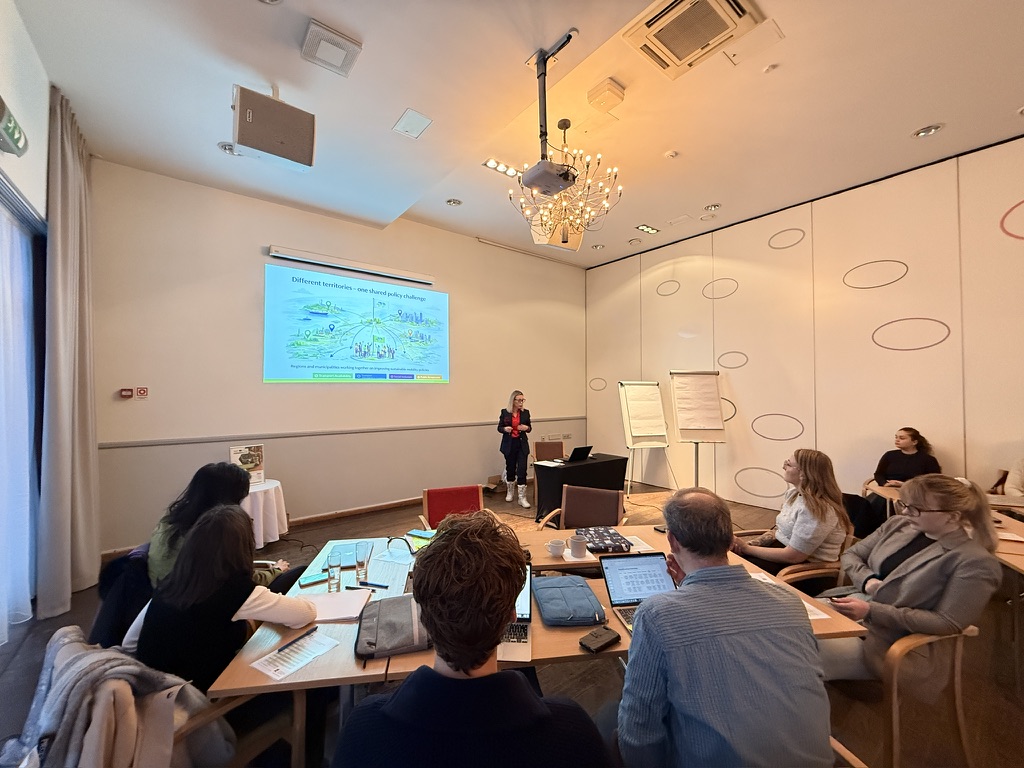
The Peer Review #1 officially started later in the morning with institutional greetings from the Kurzeme Planning Region and the Lead Partner (ITL), framing the objectives of the peer review cycle and its role in strengthening policy learning within the project.
Inadequate public transport supply: learning from concrete solutions
The first thematic block of the Peer Review #1 addressed inadequate public transport supply, with a strong focus on practical solutions already tested in European regions. Stakeholder presentations included “Demand Responsive Transport Services in Emilia-Romagna: the case of the SUSTANCE Open-Source WebApp”, which illustrated how digital tools can support flexible services in areas where traditional public transport struggles to meet demand. This was complemented by “Integrated Home-to-Work Mobility Solutions for Agricultural Workers in Low-Density Areas”, highlighting tailored approaches developed for specific target groups and territorial conditions.
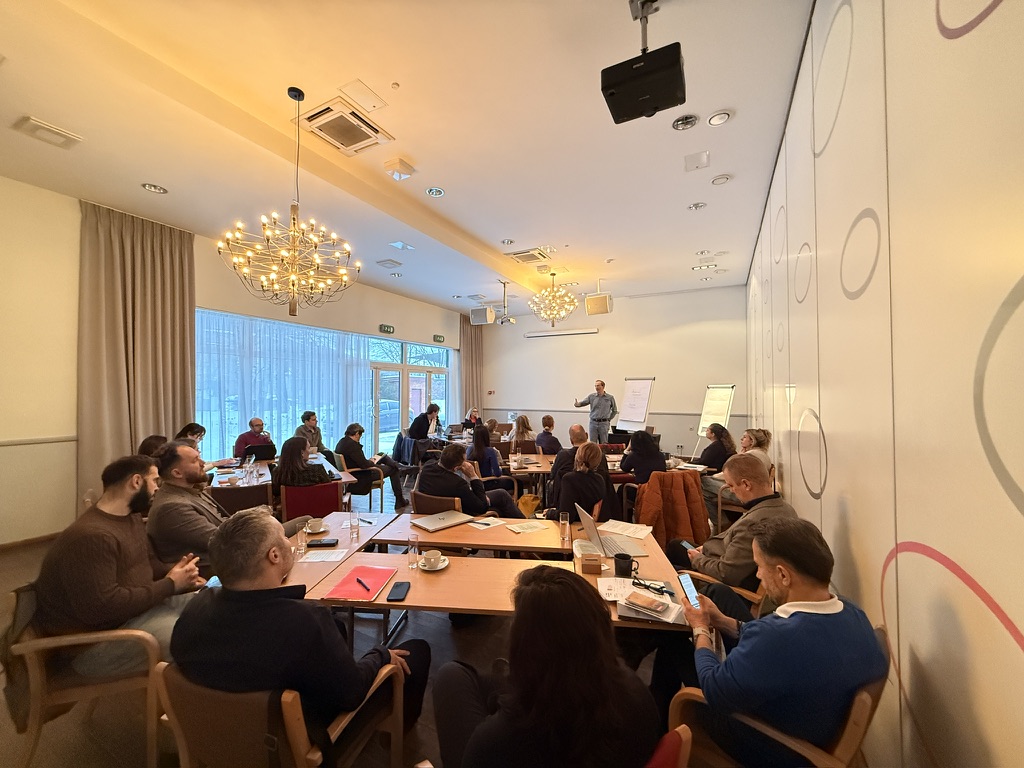
An interactive session, moderated by Erasmus UPT, allowed partners to discuss transferability, governance arrangements and the limits of flexibility when resources are constrained. The exchange confirmed that transport availability depends as much on service design and coordination as on infrastructure.
Shared mobility services: opportunities and limits
In the afternoon, the Peer Review #1 shifted to shared mobility services and their potential role in improving transport availability. Stakeholders and experts presented diverse perspectives, including “Sharing is caring”, which reflected on the public value of shared mobility, and “Rethinking shared mobility for improved transport availability”, which challenged partners to look beyond technology and focus on accessibility and inclusiveness.
Experiences from different national contexts were also discussed through “Shared Mobility Services in Serbian cities: Experience, Technologies and Practices”, offering insight into how shared mobility develops in emerging markets and medium-sized cities.
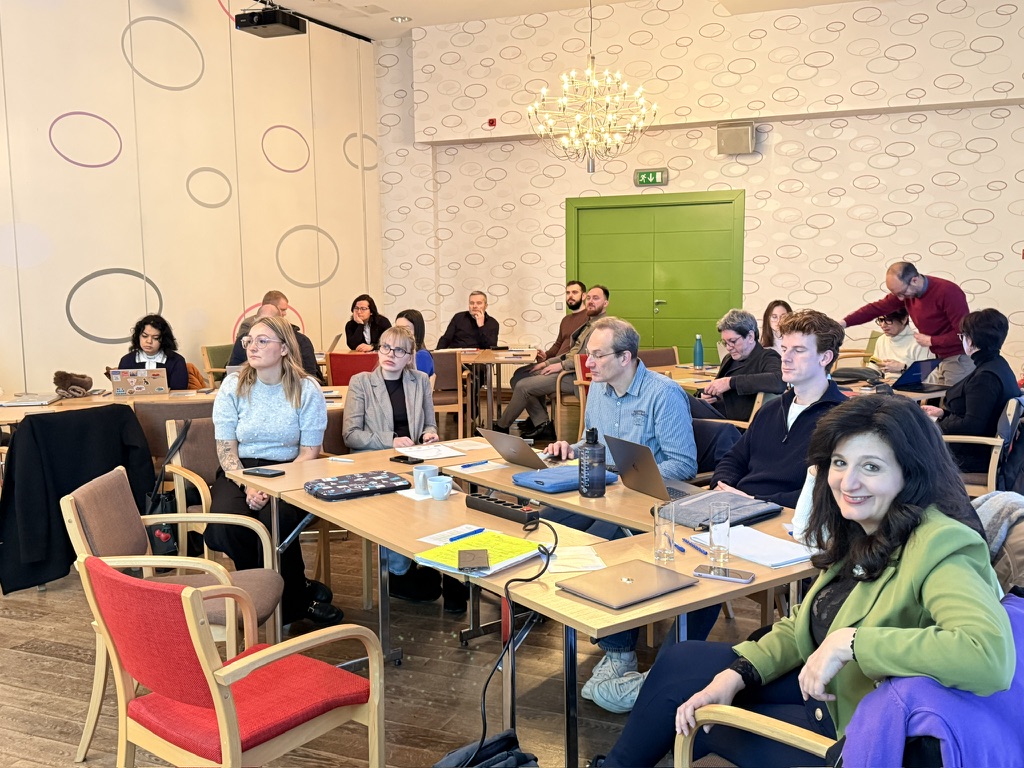
Discussions during the interactive session highlighted recurring questions: who benefits from shared mobility, under what conditions it can complement public transport, and how public authorities can steer these services towards broader social objectives.
Day 2: transport availability through a rural lens in Ziemupe
The second day was dedicated to a study visit in Ziemupe, a small rural village located about one hour from Liepāja. The visit focused exclusively on transport availability in a peripheral rural context, combining analytical perspectives with local voices. The programme included inputs such as “Measuring the Dimensions of Transport Poverty Using Official Statistics”, providing a data-driven framework, and “Regional Context and Key Challenges for Transport and Mobility in Kurzeme”, outlining regional priorities. Local policy perspectives were further explored through “Sustainable Urban Mobility Planning (SUMP): Local Frameworks and Priorities” and “Mobility Points in Liepāja: Concept and Objectives”.
A key moment of the visit was “Everyday Mobility in Peripheral Rural Areas: Local Residents’ Experiences and Practical Solutions to Mobility Poverty in Ziemupe”, which brought the discussion directly to the lived realities of residents. A site visit and walk through the village allowed partners to observe how distance, service frequency and territorial characteristics influence daily mobility choices.
Shared reflections and next steps
The study visit concluded with a reflection session led by the Lead Partner, followed by conclusions from each partner. These reflections connected the Ziemupe experience with challenges faced in other regions, reinforcing common messages around flexibility, local engagement and the need for tailored solutions in rural and low-density areas.
Building shared expertise step by step
The Liepāja Peer Review #1 and Ziemupe study visit marked the starting point of the IN MOBILITY peer review cycle, designed to progressively build shared expertise across the project’s core themes. By combining structured peer exchange with place-based learning, the meeting strengthened partners’ understanding of transport availability as a policy challenge with strong social and territorial dimensions. The insights gathered will feed into the next phases of the project, supporting partners in refining their policy instruments and advancing more inclusive mobility solutions across Europe.
***
IN MOBILITY is a project dedicated to inclusive, fair, and accessible urban mobility for all. It is funded under the Interreg Europe 2021–2027 Programme, under Policy Objective 2 – A greener Europe. The IN MOBILITY consortium consists of ten organizations from five European regions. The project activities aim to support sustainable, but more importantly, socially just and inclusive urban mobility policies. The consortium includes: the Institute for Transport and Logistics (Italy) as Lead Partner, Alba Iulia Municipality (Romania), the North Aegean Regional Development Fund (Greece), the Podkarpackie Region (Poland), the City of Bruges (Belgium), the Municipality of Amsterdam (Netherlands), the Kurzeme Planning Region (Latvia), the Executive Committee of the Chernivtsi City Council (Ukraine), the City of Kragujevac (Serbia), and the Erasmus Centre for Urban, Port and Transport Economics BV (Netherlands). Associated authorities in the project include the Emilia-Romagna Region and the North Aegean Region.
Duration and Budget
Project duration: 1 May 2025 – 31 July 2029
Total budget: EUR 2,088,696
In the long term, the project will support a fair and smart transition toward cleaner, more connected, and more inclusive European cities, ready to meet the challenges of the future.
Learn more: www.interregeurope.eu/in-mobility
Project IIN MOBILITY is implemented within the frame of INTERREG EUROPE Programme, co-funded by the European Regional Development Fund (ERDF)